Hair Regrowth Laser Singapore | Non-Surgical Hair Loss Treatment

Aesthetic Treatments

Hair Regrowth Laser

Non-Surgical Laser Treatment for Thinning Hair

Hair thinning can develop for many different reasons, including genetic pattern hair loss, hormonal changes, ageing, stress, illness and other medical or lifestyle factors.

For selected patients with early or moderate thinning, laser-based treatment may be considered as part of a non-surgical hair-loss management plan.

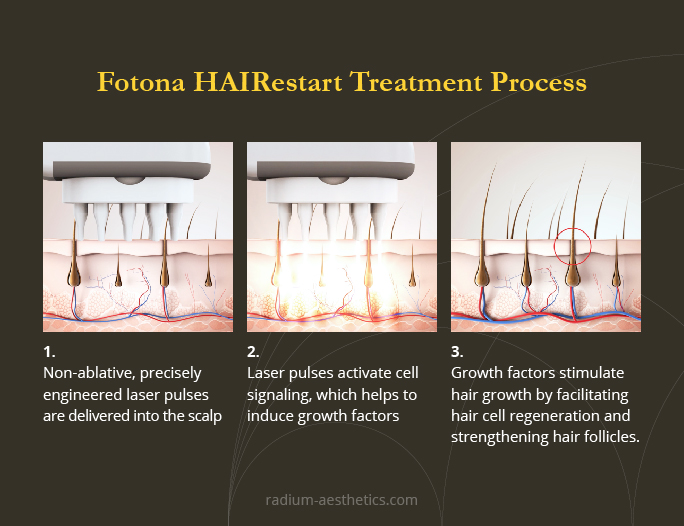
Hair regrowth laser treatment delivers controlled energy to the scalp with the aim of supporting the environment around existing hair follicles.

It is most relevant where follicles are still present and producing hair. It is not intended to create completely new follicles in areas where they have already been permanently lost.

For a broader overview of causes, diagnosis and treatment options, read our guide to hair loss treatment in Singapore →

Why Does Hair Loss Happen?

Hair loss is not a single condition.

Some patients notice gradual thinning over many years, while others experience sudden increases in shedding. Understanding the pattern and cause is important because laser treatment is not suitable for every type of hair loss.

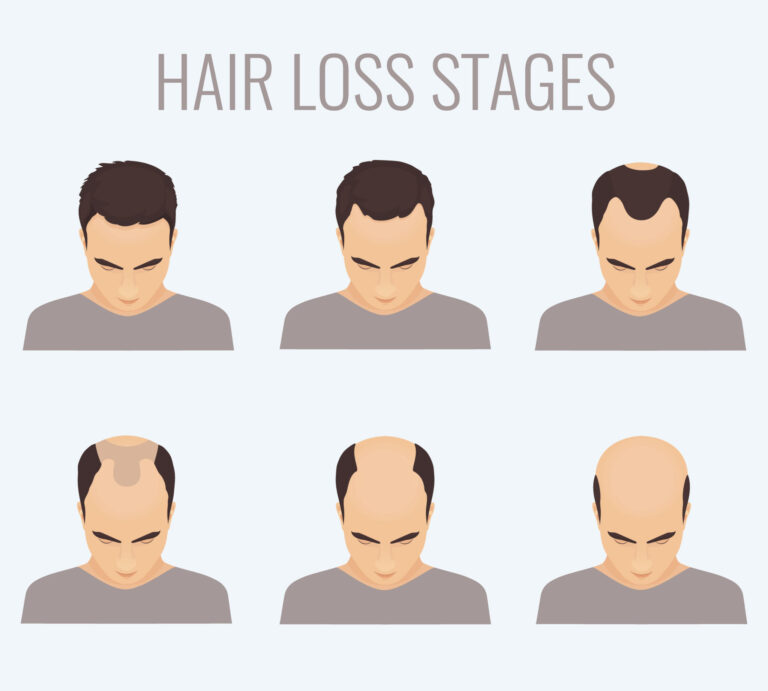
PATTERN HAIR LOSS Androgenetic alopecia, also known as male or female pattern hair loss, is one of the most common causes of progressive thinning. Affected follicles may gradually become smaller and produce finer, shorter hairs over time. Men commonly notice recession around the temples or thinning at the crown, while women may notice widening of the part or more diffuse thinning across the upper scalp. Laser treatment may be considered as part of a broader treatment plan for selected patients where follicles remain active.

AGE-RELATED HAIR THINNING Hair density, growth rate and hair-shaft characteristics may change with age. Some patients notice progressively finer hair or reduced overall density. Treatment depends on whether the thinning is related primarily to ageing, pattern hair loss or another underlying condition.

STRESS AND TELOGEN EFFLUVIUM Significant physical or psychological stress can sometimes trigger a larger proportion of hairs to enter the shedding phase. This is known as telogen effluvium. Common triggers may include illness, surgery, major stress, childbirth, rapid weight loss or certain medications. Laser treatment is not necessarily the first-line treatment for telogen effluvium, particularly when an underlying trigger needs to be identified and addressed.

POSTPARTUM HAIR LOSS Increased shedding can occur several months after childbirth due to changes in the normal hair-growth cycle. For many women, this gradually improves as the hair cycle normalises. Persistent or unusually severe shedding should be assessed because other factors such as iron deficiency, thyroid conditions or pre-existing female-pattern hair loss may also contribute.

MEDICATION AND MEDICAL FACTORS Certain medications, nutritional deficiencies, hormonal conditions and scalp disorders may also contribute to hair loss. This is why assessment should come before treatment.

What is hair Regrowth Laser?

Hair regrowth laser treatment uses controlled laser energy delivered to the scalp.

The aim is to create a mild thermal effect within the treated tissue while preserving the surface of the scalp.

This controlled stimulation may support scalp circulation, tissue activity and the environment surrounding existing follicles.

At Radium Medical Aesthetics, laser hair treatment may be considered for selected patients with early thinning where active follicles are still present.

It may also be combined with other hair-loss treatments depending on the diagnosis.

How Does the Laser Work?

The treatment uses controlled pulses of laser energy delivered across the scalp.

The energy creates gentle heating within the tissue without intentionally removing the surface layer of skin.

This thermal stimulation is intended to support biological activity within the scalp and the tissues surrounding existing hair follicles.

Hair Regrowth Laser vs Hair Transplant

Hair regrowth laser and hair transplantation serve very different purposes.

Laser treatment is intended to support existing follicles and is generally more relevant for patients with early or moderate thinning.

Hair transplantation involves physically moving follicles from a donor area to an area where density has already been lost.

Patients with more advanced hair loss may therefore be better suited to hair transplantation, while those with active follicles may first be considered for non-surgical treatment.

Hair Regrowth Laser vs Medication

Medication may play an important role in treating certain forms of pattern hair loss. Laser treatment should not be positioned as a replacement for medication in every patient.

Depending on the diagnosis, a doctor may recommend laser treatment alone or as part of a combination approach that includes topical or oral treatment.

Frequently Asked Questions about hair regrowth laser

Is Hair Regrowth Laser Suitable for Men and Women?

Yes, selected men and women may be suitable.

The determining factor is the cause and stage of hair loss rather than sex alone.

Does Laser Treatment Work for Male Pattern Hair Loss?

It may be considered in selected patients with early or moderate pattern thinning where follicles remain active.

It does not replace follicles that have already been permanently lost.

Does Laser Treatment Work for Female Hair Loss?

It may be considered for selected women with thinning hair.

However, female hair loss has many potential causes, so evaluation is important before treatment.

Is Laser Treatment Suitable for Postpartum Hair Loss?

Postpartum shedding often improves naturally as the hair cycle normalises. Laser treatment is not automatically required.

Persistent thinning should be assessed to determine whether another underlying factor is present.

Can Laser Treatment Replace Hair Transplant?

No.

Laser treatment supports existing follicles.

Hair transplantation physically redistributes follicles into areas where density has been lost.

Can Hair Regrowth Laser Make Hair Thicker?

Where follicles remain active, treatment may support improvements in hair quality or density in selected patients.

However, response varies considerably. Some patients may notice reduced shedding or improved hair calibre, while others may experience more limited changes.

Results should therefore be assessed over time rather than guaranteed.

Can Laser Treatment Grow Hair in Bald Areas?

Laser treatment is less likely to restore meaningful density in areas where follicles have already been permanently lost.

This is one of the main differences between non-surgical treatment and hair transplantation.

A consultation can help determine whether active follicles remain in the treatment area.

How Many Sessions Are Needed?

Hair growth occurs slowly, so hair-loss treatment generally requires time.

A course of treatments may be recommended depending on the patient’s condition, stage of hair loss and response.

The doctor can advise on treatment frequency after assessment.

Are Results Permanent?

Hair regrowth laser does not permanently eliminate the underlying causes of progressive hair loss.

For patients with androgenetic alopecia, ongoing management may be required.

The doctor may recommend maintenance treatment or combination therapy depending on progression.

Can Hair Regrowth Laser Be Combined With Other Treatments?

Yes, in selected patients.

Depending on the underlying cause, laser treatment may be combined with:
topical or oral medication, scalp-directed therapies, regenerative treatments or nutritional/medical treatment where appropriate.

Combination treatment should be based on diagnosis rather than automatically using multiple procedures.

Hair Regrowth Laser at Radium Medical Aesthetics

At Radium Medical Aesthetics, hair-loss treatment begins with assessment of the patient’s scalp, pattern of thinning and medical history.

Where appropriate, laser-based treatment may be considered as part of a non-surgical hair-loss management plan.

Treatment may be used alone or together with other approaches depending on the diagnosis, stage of hair loss and treatment goals.

Patients with more advanced hair loss may also be assessed for other options such as FUE hair transplantation.

For a comprehensive overview, read our guide to hair loss treatment in Singapore → 

Benefits

  • checked
    Non-surgical treatment for selected thinning hair
  • checked
    Supports existing follicles where they remain active
  • checked
    May help improve hair quality or density in suitable patients
  • checked
    Limited recovery compared with surgical hair restoration
  • checked
    Can be incorporated into a broader hair-loss treatment plan
Best For

Men and women with early to moderate hair thinning or reduced hair density where active follicles are still present, following assessment of the underlying cause.

Book Now