Can Excessive Sweating Be Treated?

Your Reading Corner

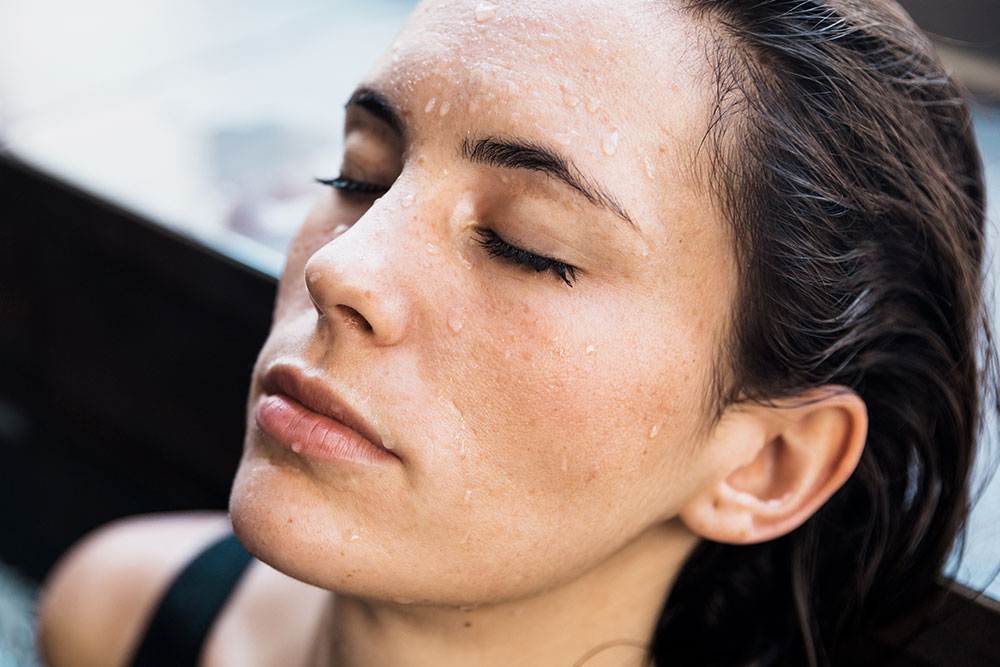
Woman suffering from excessive sweating

Can Excessive Sweating Be Treated?

Sweating, or perspiration, is a natural and essential bodily function designed to regulate the body’s temperature and maintain internal balance. As the body temperature rises, typically in response to physical exertion, high temperatures, or emotional stress, the sweat glands release sweat onto the skin’s surface. The evaporative cooling effect of sweat helps dissipate excess heat, preventing the body from overheating. Beyond its thermoregulatory function, sweating also serves as a means for the body to eliminate waste products and toxins.

While sweating is a fundamental and essential bodily function, While sweating is a fundamental and essential bodily function, for some individuals, this normal process has become a source of discomfort and embarrassment due to excessive sweating, a condition known as hyperhidrosis.

Understanding Hyperhidrosis

Hyperhidrosis is a medical condition characterised by excessive sweating that goes beyond what is necessary for normal thermoregulation. It can affect various parts of the body, including the palms, soles of the feet, underarms, and face. People with hyperhidrosis often experience sweating that is more profuse than what is typical in response to heat or stress. While hyperhidrosis is not life-threatening, it can have a substantial impact on an individual’s quality of life, as this condition can significantly impact daily activities, social interactions, and emotional well-being, leading to embarrassment and discomfort.

Woman with excessive sweating on her back

Treating Hyperhidrosis

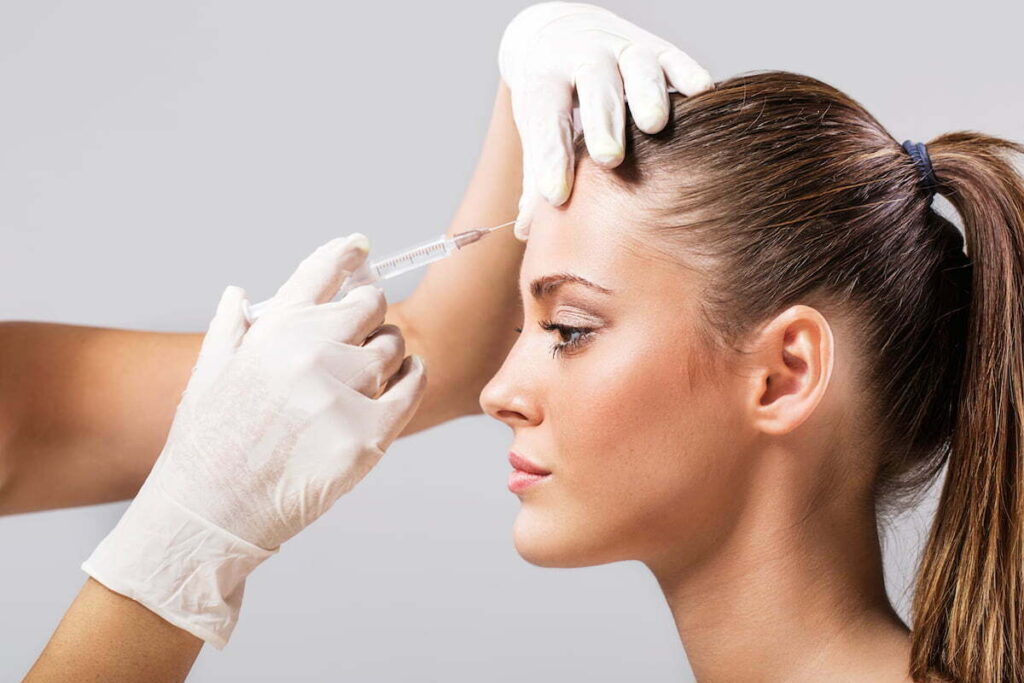
Treatment of sweaty armpits with botulinum toxin injections

Botulinum toxin, commonly known as Botox, has been widely used for cosmetic purposes like reducing facial wrinkles. However, its application in treating hyperhidrosis has proven to be highly effective, particularly for hyperhidrosis affecting specific areas of the body.

Botulinum toxin works by blocking the nerve signals responsible for activating sweat glands. When injected into targeted areas, it temporarily paralyses the nerves, preventing them from signalling the sweat glands to produce excessive sweat. The effects typically last for about 4 to 6 months, providing relief to individuals dealing with hyperhidrosis.

In addition to botulinum toxin injections, intradermal microneedle radiofrequency treatment has shown promising results in treating hyperhidrosis in recent years.

The Genius Radiofrequency (RF) Microneedling procedure can be used to effectively address hyperhidrosis on its own without any other treatments. The device utilises precise RF microneedling technology to precisely deliver thermal energy into the dermis, heating up and deactivating sweat glands, targeting the root root cause of hyperhidrosis.

Excessive sweating can significantly impact an individual’s quality of life. As with any medical procedure, it’s crucial to consult with a qualified healthcare professional to determine the most suitable treatment plan based on your individual needs and circumstances. With the right approach, individuals experiencing hyperhidrosis can regain confidence and enjoy a more comfortable, sweat-free life.

Related Post

Pigmentation

Retinoids for Hyperpigmentation: How They Help Fade Dark Spots and Improve Skin Tone

Hyperpigmentation is one of the most common skin concerns people face, whether it appears as acne marks, sun spots, post-inflammatory ...

Read More
Acne

Men’s Receding Hairline: Causes, Hair Loss Prevention, and Hair Growth Treatments That May Help

Receding hairline in men is one of the most common early signs of hair loss. For some men, it begins ...

Read More
Acne

Pimples and Spots on the Scalp: How to Treat Them Effectively

Getting pimples on the scalp can be surprisingly common. Some may appear as small itchy bumps on hair follicles, while ...

Read More