The Definitive Guide On Laser Hair Removal, Including Preparation And Aftercare
Eliminating unwanted hair from our bodies may seem like a longstanding concern for many of us – but laser hair removal has emerged as a more permanent and efficient solution, allowing individuals to address unwanted body hair more effectively, boosting their confidence and comfort in their skin.
If you are curious about how laser hair removal works, we’ve compiled a guide to walk you through everything you need to know about laser hair removal, from how it works to what to expect before, during and after the procedure.
What is Laser Hair Removal?
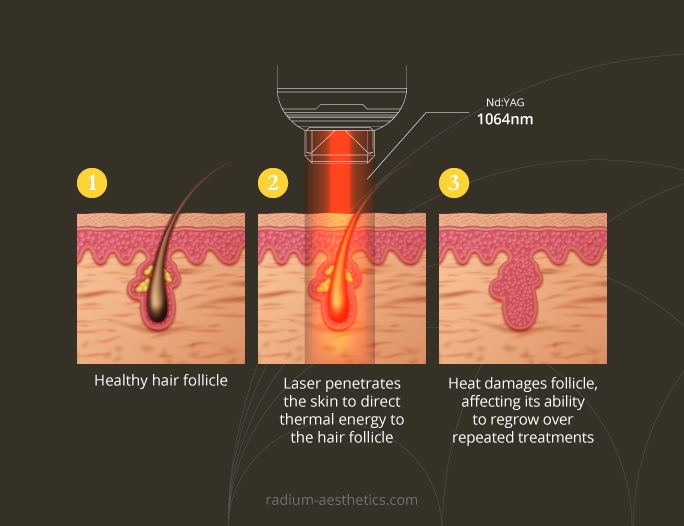
Laser hair removal is a non-invasive aesthetic procedure that uses concentrated light to target unwanted hair at the follicle. The laser energy is absorbed by the pigment in the hair, generating heat within the follicle to reduce its ability to produce new hair over time.
Because hair grows in different cycles, more than one session is usually needed for noticeable and longer-lasting hair reduction. The aim is not to remove every single hair permanently after one treatment, but to gradually reduce hair growth, thickness, and frequency over a planned series of sessions.
Laser hair removal may be performed on different areas of the body, including the underarms, arms, legs, bikini line, back, chest, and smaller facial areas such as the upper lip, chin, and jawline. A consultation is important so that the doctor can assess your skin type, hair thickness, hair colour, and treatment area before recommending suitable settings.
Laser Hair Removal With Fotona
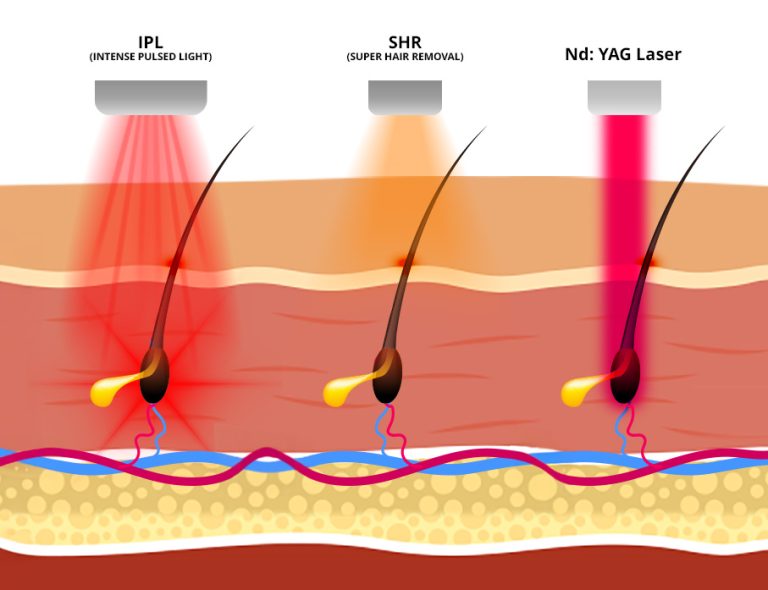
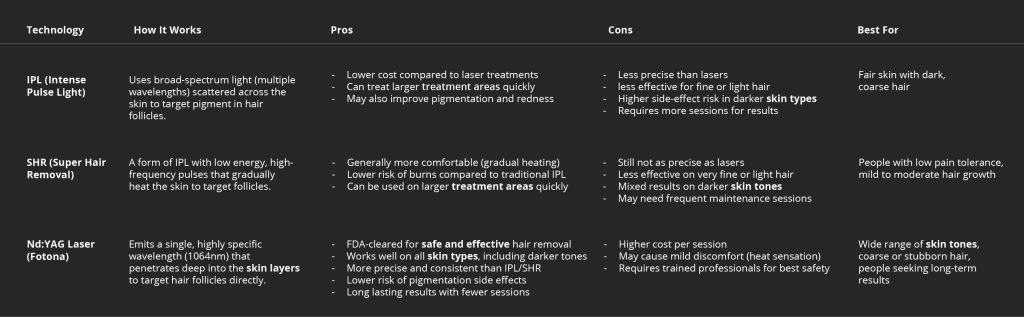
At Radium Medical Aesthetics, we used Fotona SP Dynamis to safely and effectively remove unwanted body hair. It is a 1064nm Nd:YAG laser, which can be fully customised based on the patient’s skin type, hair thickness, colour and the depth of their hair follicles for optimal results.
✓ FRAC3® Settings: Offers a safe and effective approach to removing hair via laser energy by utilising a pulse-control technology and a proprietary 3D treatment pattern.
✓ Variable Square Pulse (VSP) Technology: Allows laser to penetrate deeply into the skin, focusing the thermal energy on the hair follicles below the surface without harming the skin surface.
✓ Proprietary VSP: Raises the temperature gradually to the targeted area without damaging the skin.
Benefits of Fotona Laser Hair Removal
The benefits of laser hair removal go beyond convenience. For many patients, it can be a practical option for reducing the need for repeated shaving, waxing, plucking, or threading.
Some of the key benefits of laser hair removal include:
LONGER-LASTING HAIR REDUCTION Laser hair removal helps reduce the activity of treated hair follicles, so hair grows back slower, finer, and less densely over time.
SUITABLE FOR MANY AREAS OF THE BODY It can be used on larger areas such as the legs, arms, back, and underarms, as well as smaller areas such as the upper lip, chin, and bikini line.
MORE PRECISE TREATMENT The laser can be directed at selected areas while minimising unnecessary exposure to the surrounding skin.
LESS IRRITATION FROM REPEATED HAIR REMOVAL Patients who experience shaving bumps, ingrown hairs, or irritation from waxing may find laser hair removal a useful alternative.
A SMOOTHER, MORE CONVENIENT ROUTINE With repeated sessions, many patients notice that they need to shave or manage unwanted hair less often.
Preparing for Fotona Laser Hair Removal
Prior to your Fotona laser hair removal treatment, it is important to undergo a consultation with one of our doctors. This allows our doctors to assess your skin type, hair colour, hair thickness and treatment area before recommending a suitable treatment plan.
In the weeks before treatment, avoid plucking, waxing or threading the hair in the area to be treated, as these methods remove the hair root that the laser needs to target. Shaving is usually preferred before your appointment because it leaves the follicle intact while reducing hair above the skin surface.
You should also avoid excessive sun exposure, tanning beds and strong exfoliating products on the treatment area before your session, as irritated or tanned skin may affect the safety and effectiveness of laser hair removal. For smaller areas, such as the underarms or an area such as the upper lip, your doctor may provide more specific preparation instructions depending on your skin sensitivity and hair growth pattern.
During The Procedure
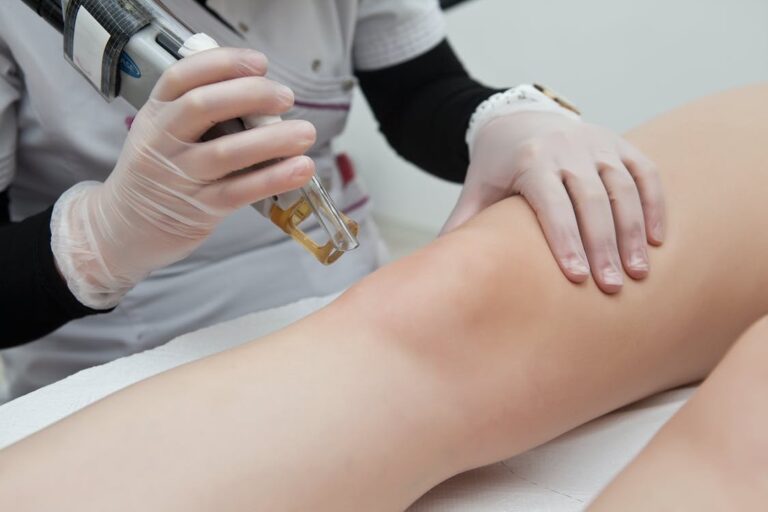
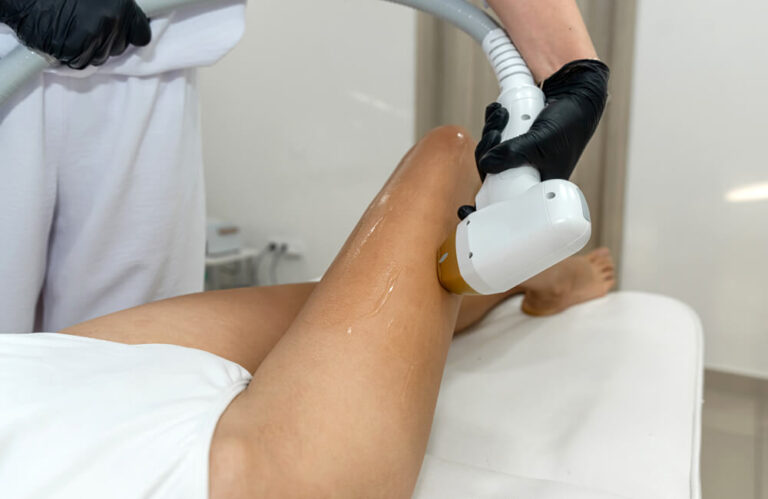
During your Fotona laser hair removal session, you may be given a gown to change into before lying down on the treatment bed. Our therapist will then provide you with protective eyewear to shield your eyes from the laser.
Simply relax and unwind as our doctor performs the procedure. You’ll likely feel a gentle, warm sensation on your skin as the doctor applies the laser to the designated area. The entire process usually takes only a few minutes. Afterwards, the specialist might apply aloe vera or a soothing cream to the treated area. That’s all there is to it!
Aftercare and Recovery
After laser hair removal, mild redness or warmth in the treated area can occur and usually settles with appropriate aftercare. Keep the area clean, avoid harsh scrubs or exfoliating acids for a few days, and use a gentle moisturiser if the skin feels dry or sensitive.
It is also important to avoid sun exposure after treatment, especially on areas that are regularly exposed such as the face, arms, or legs. Apply broad-spectrum sunscreen and protect the treated area from direct sun where possible.
As hair grows in cycles, repeated sessions are usually needed. Your doctor will recommend an interval based on the area of the body being treated, your hair growth pattern, and your response to treatment.
How should I prepare in the weeks before laser hair removal?
In the weeks before treatment, avoid plucking, waxing, or threading the hair in the treatment area. These methods remove the hair root that the laser needs to target. Shaving is usually preferred because it removes hair above the skin while keeping the follicle beneath the surface intact.
You should also avoid sun exposure, tanning beds, and deliberate tanning before your session. Tanned or sun-irritated skin may be more sensitive to laser energy and may increase the risk of side effects such as redness, irritation, or pigmentation changes.
Before your appointment, keep the treatment area clean and avoid applying strong exfoliating acids, retinoids, or harsh active ingredients unless advised otherwise. For sensitive areas such as the upper lip, chin, bikini line, or underarms, your doctor may provide more specific instructions depending on your skin type and hair growth pattern.
Which Areas of the Body Can Be Treated?
Laser hair removal can be customised for different areas of the body, depending on hair thickness, skin sensitivity, and the size of the treatment area.
Common treatment areas include:
- Underarms
- Arms
- Legs
- Bikini line
- Back
- Chest
- Upper lip
- Chin
- Jawline
- Face
Smaller areas such as the upper lip and chin usually require careful treatment settings because facial skin can be more delicate and more visible. Larger areas of the body, such as the legs or back, may require a longer treatment time and a planned series of sessions for better hair reduction.
Laser Hair Removal for Darker Skin
Patients with darker skin may still be suitable for laser hair removal, but the choice of laser, treatment settings, and doctor assessment are especially important.
This is because darker skin contains more melanin, and laser hair removal works by targeting pigment in the hair follicle. If unsuitable settings are used, there may be a higher risk of heat-related irritation, pigmentation changes, or burns.
At Radium Medical Aesthetics, Fotona laser hair removal uses a 1064nm Nd laser, which can be adjusted according to skin type, hair thickness, hair colour, and the depth of the hair follicles. This allows the treatment to be customised for different skin tones, including darker skin, where appropriate.
A consultation is recommended before treatment to assess suitability and reduce the risk of side effects.
Can laser hair removal treat small areas such as the upper lip?
Yes. Laser hair removal can be customised for different treatment areas, including smaller areas on the face. An area such as the upper lip may require careful settings because facial skin can be more delicate and visible. Your doctor will assess your skin type, hair thickness and sensitivity before treatment.
Fotona laser hair removal offers a safe and effective solution for those seeking long-term hair reduction. With its precision, safety, and effectiveness, this procedure has become a go-to option for many individuals aiming to achieve smoother, hair-free skin. Schedule a consultation with us to embark on your hair removal journey today.
Frequently Asked Questions About Laser Hair Removal
HOW DOES LASER HAIR REMOVAL WORK? Laser hair removal uses concentrated light to target pigment in the hair follicle. The light energy is converted into heat, which helps reduce the follicle’s ability to produce new hair over time.
WHY ARE MULTIPLE SESSIONS NEEDED? Hair grows in different cycles. Laser hair removal is most effective when the hair is in the active growth phase, so multiple sessions are needed to treat different follicles at the right stage.
CAN LASER HAIR REMOVAL BE DONE ON THE UPPER LIP AND CHIN? Yes. Smaller facial areas such as the upper lip and chin can be treated, but they require careful assessment because facial skin may be more sensitive and visible. Your doctor will adjust the treatment settings based on your skin type, hair thickness, and hair growth pattern.
CAN DARKER SKIN DO LASER HAIR REMOVAL? Darker skin may be suitable for laser hair removal, but the treatment should be carefully customised. A doctor should assess your skin type and hair characteristics to select appropriate settings and reduce the risk of pigmentation changes or irritation.
SHOULD I AVOID SUN EXPOSURE BEFORE LASER HAIR REMOVAL? Yes. It is advisable to avoid sun exposure and tanning before treatment because sun-exposed or tanned skin may be more sensitive to laser energy. This can increase the risk of irritation or pigmentation changes.