

women's health @ radium
Postpartum Care in Singapore: Supporting Recovery After Pregnancy and Birth

The postpartum period is a major stage of physical, emotional, and hormonal change. Whether you had a vaginal birth or a caesarean delivery, your body needs time to heal after pregnancy and childbirth.
In the first few days after delivery, many mothers experience vaginal bleeding, abdominal cramping, breast engorgement, tiredness, mood changes, constipation, water retention, and changes in appetite. Some may also notice early signs of hair shedding, pigmentation, loose skin, stretch marks, urinary incontinence, or abdominal muscle separation.
At the same time, you are adjusting to life with a newborn — learning how to feed, soothe, and care for your baby while also managing your own recovery. This can be overwhelming, especially when sleep is limited and your body feels unfamiliar.
At Radium Medical Aesthetics, our postpartum care approach focuses on helping mothers recover confidently after birth. We provide doctor-led assessment and personalised treatment options for post-pregnancy concerns such as diastasis recti, loose skin, melasma, postpartum hair loss, stretch marks, body contouring, and feminine wellness.
What Happens During the Postpartum Period?
The postpartum period usually refers to the weeks and months after childbirth, when the body gradually recovers from pregnancy and delivery. The first 6 weeks are often considered an important recovery window, but many physical and emotional changes can continue for months.
During this time, mothers and babies both need support. For mothers, recovery may involve wound healing, breastfeeding support, pelvic floor recovery, hormonal changes, mood adjustment, weight changes, and rebuilding strength. For babies, this is also a period of feeding, bonding, growth, and adapting to life outside the womb.
Some common postpartum changes include:
- Vaginal bleeding and discharge
- Abdominal cramping as the uterus contracts
- Breast engorgement or breastfeeding discomfort
- Constipation or haemorrhoids
- Urinary incontinence
- Pelvic heaviness or weakness
- Loose abdominal skin
- Diastasis recti
- Stretch marks
- Melasma or pigmentation
- Postpartum hair loss
- Mood changes such as baby blues
- Tiredness and poor sleep
- Gradual weight loss after delivery
While many changes are normal, persistent pain, heavy bleeding, fever, severe headache, high blood pressure, chest pain, breathlessness, or thoughts of self-harm should be assessed urgently by a medical professional.
The First Few Days After Delivery
The first few days after delivery can feel intense, especially for first-time mothers. Your body is healing while you are also learning how to care for a newborn.
After a vaginal birth, there may be perineal soreness, swelling, stitches, bleeding, and discomfort when passing urine or bowel movements. Warm water may help soothe the area when rinsing after urination, and some women may be advised to use stool softeners to reduce straining during bowel movements.
After a caesarean delivery, recovery involves wound care, pain control, movement restrictions, and gradual return to activity. It is important to follow your obstetrician’s advice on wound care, lifting, exercise, and medication.
In the first days after birth, monitor symptoms such as severe headache, visual changes, chest pain, breathlessness, worsening swelling, fever, heavy bleeding, wound redness, or very high blood pressure. These may require urgent medical attention.
At this early stage, the priority is not aesthetic treatment. The focus should be rest, wound healing, hydration, nutrition, breastfeeding support where needed, and medical follow-up.
Breastfeeding and Lactation Support
Breastfeeding can be rewarding, but it can also be challenging in the early postpartum period. Some mothers may experience breast engorgement, sore nipples, blocked ducts, low supply concerns, or difficulty with baby’s latch.
A lactation consultant can be helpful in the days after birth, especially if breastfeeding is painful, baby is not latching well, milk supply is a concern, or feeding feels stressful. Early breastfeeding support can make a meaningful difference for both mothers and babies.
If you are breastfeeding, do inform your doctor before starting any aesthetic, weight loss, medication, supplement, or body treatment programme. Some treatments may need to be delayed, modified, or avoided during breastfeeding.
Baby Blues vs Postpartum Depression
Mood changes are common after childbirth. Many mothers experience baby blues in the first few days after delivery. This may include mood swings, crying spells, anxiety, irritability, and difficulty sleeping.
Baby blues usually begin within the first 2 to 3 days after delivery and may last up to about 2 weeks. However, if sadness, anxiety, hopelessness, panic, guilt, anger, or emotional numbness persists or worsens, it may be postpartum depression rather than normal adjustment. Mayo Clinic notes that baby blues commonly begin within the first 2 to 3 days after delivery and may last for up to two weeks.
Postpartum depression is a medical condition and should not be ignored. Seek help promptly if you feel unable to cope, have thoughts of harming yourself or your baby, or feel persistently low, anxious, or disconnected.
Healthy recovery is not only physical. Emotional wellbeing is an important part of postpartum care.
Pelvic Floor Recovery and Urinary Incontinence
Urinary incontinence is common after pregnancy and childbirth, especially after vaginal birth. It may happen when coughing, sneezing, laughing, exercising, or lifting the baby.
This can occur because pregnancy and delivery place pressure on the pelvic floor muscles, which support the bladder, uterus, and bowel. Pelvic floor exercises may help improve strength and bladder control over time, but some mothers may need additional assessment if symptoms persist.
You should seek medical advice if urinary leakage is severe, worsening, associated with pelvic heaviness, pain, difficulty passing urine, recurrent urinary tract infections, or if you feel a bulge in the vaginal area.
At Radium, postpartum feminine wellness treatments may be considered after appropriate recovery and medical clearance, depending on the concern and suitability.
Postpartum Weight Loss and Body Changes
Weight loss after pregnancy should be approached gradually and safely. It is normal for the body to take time to recover, and the pace of weight loss varies depending on pregnancy weight gain, breastfeeding, sleep, nutrition, activity level, hormones, and lifestyle.
Many mothers are understandably eager to return to their pre-pregnancy shape, but early postpartum recovery should not be rushed. Crash dieting, excessive exercise, or aggressive slimming treatments too soon after delivery may affect healing, energy levels, breastfeeding, and overall wellbeing.
Once you have recovered and received appropriate medical clearance, postpartum body treatments may help address concerns such as stubborn fat, loose skin, diastasis recti, and reduced muscle tone. These treatments should be selected based on your stage of recovery, delivery method, breastfeeding status, and individual goals.
Postpartum Aesthetic Concerns We Can Help With
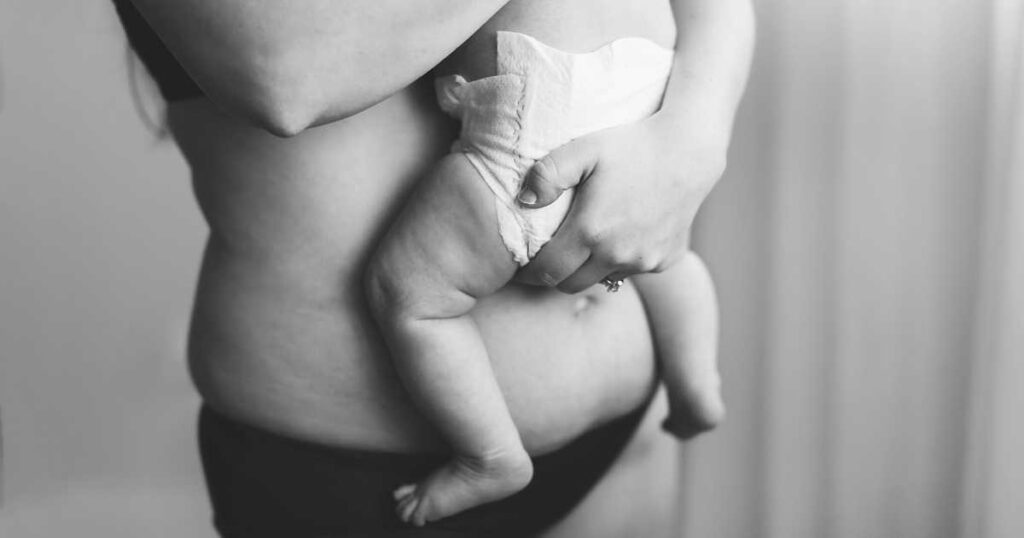
Pregnancy can affect the skin, hair, body, and intimate areas in different ways. Some changes improve naturally over time, while others may persist despite diet, exercise, skincare, and rest.
At Radium Medical Aesthetics, we offer personalised postpartum treatment options for concerns such as:
DIASTASIS RECTI Diastasis recti occurs when the abdominal muscles separate during pregnancy. This can cause a persistent tummy bulge, weakened core, lower back discomfort, and reduced abdominal support.
Diastasis recti treatment may involve core rehabilitation, pelvic floor exercises, and non-invasive body treatments to help strengthen and support the abdominal area where suitable.
LOOSE SKIN Loose skin after pregnancy may occur on the abdomen, arms, thighs, or other areas. Skin tightening treatments may help stimulate collagen production and improve firmness over time.
STRETCH MARKS Stretch marks may appear during pregnancy due to rapid stretching of the skin. Early stretch marks are often red, pink, purple, or brownish-red, while older stretch marks may become white or silvery. Laser treatments, RF microneedling, or collagen-stimulating treatments may help improve their appearance.
MELASMA AND PIGMENTATION Hormonal changes during pregnancy can trigger melasma or worsen pigmentation. A personalised approach may include medical skincare, sun protection, pigment lasers, or energy-based treatments depending on skin type and breastfeeding status.
POSTPARTUM HAIR LOSS Postpartum hair loss often occurs several months after delivery due to hormonal changes, stress, sleep deprivation, and nutritional shifts. While it is often temporary, treatments may help support scalp health and hair regrowth where appropriate.
VAGINAL AND FEMININE WELLNESS Some mothers experience vaginal dryness, laxity, discomfort, urinary incontinence, or reduced confidence after childbirth. Feminine wellness treatments may be considered after recovery and medical clearance, especially if symptoms persist beyond the early postpartum period.
When Can I Start Postpartum Treatments?
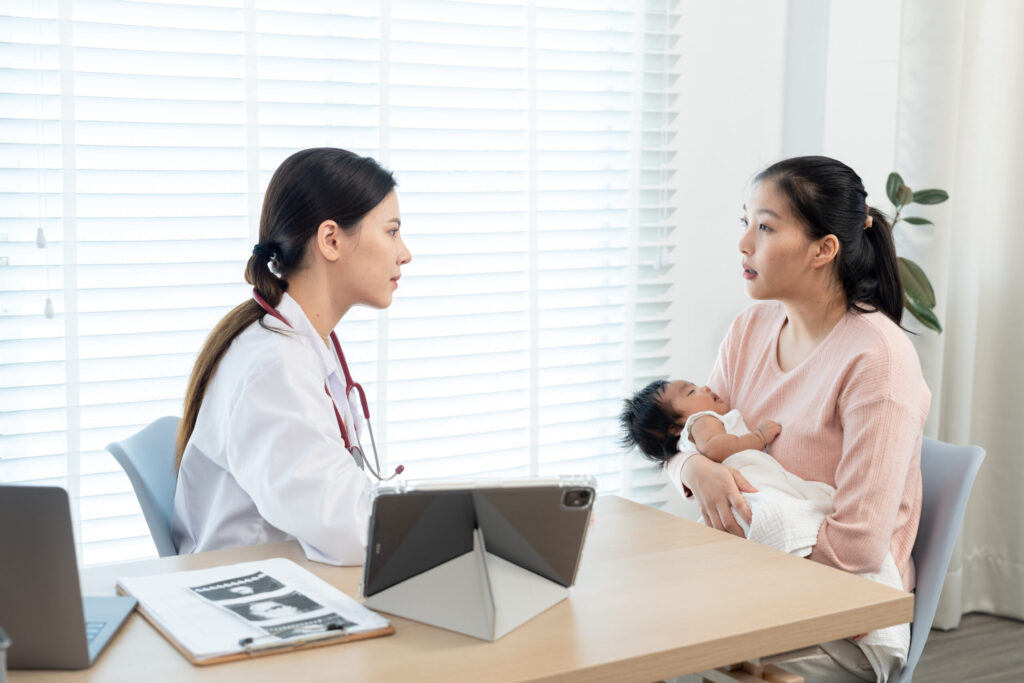
The right timing depends on your delivery method, healing progress, breastfeeding status, and the type of treatment being considered.
In general, the first few days after birth and early weeks should focus on rest, wound healing, breastfeeding support, nutrition, and medical follow-up. Aesthetic and body treatments are usually considered only after the body has had time to recover and after clearance from your obstetrician or doctor.
For some mothers, this may be after the 6-week postpartum review. For others, especially after caesarean delivery, complicated birth, infection, heavy bleeding, high blood pressure, or breastfeeding concerns, treatment may need to be delayed.
A doctor-led consultation helps determine what is safe, suitable, and realistic for your stage of recovery.
Frequently Asked Questions About Postpartum Care
WHAT IS THE POSTPARTUM PERIOD? The postpartum period refers to the time after childbirth when the body recovers from pregnancy and delivery. The first 6 weeks are often an important recovery phase, but physical, hormonal, emotional, and body changes may continue for several months.
WHAT SHOULD I EXPECT IN THE FIRST FEW DAYS AFTER DELIVERY? In the first few days after delivery, you may experience bleeding, cramping, breast engorgement, soreness, tiredness, constipation, mood changes, and difficulty sleeping. After a vaginal birth, there may also be perineal discomfort or stitches. Warm water rinsing and stool softeners may be recommended by your doctor to reduce discomfort.
WHAT IS THE DIFFERENCE BETWEEN BABY BLUES AND POSTPARTUM DEPRESSION? Baby blues are common mood changes that usually begin within the first few days after delivery and often improve within about two weeks. Postpartum depression is more persistent and may involve ongoing sadness, anxiety, hopelessness, guilt, anger, or difficulty bonding with the baby. Seek medical help if symptoms persist, worsen, or if you have thoughts of harming yourself or your baby.
WHEN SHOULD I SEE A LACTATION CONSULTANT? You may consider seeing a lactation consultant if breastfeeding is painful, your baby has difficulty latching, you are worried about milk supply, or feeding feels stressful. Early support in the days after birth can help both mother and baby.
IS URINARY INCONTINENCE NORMAL AFTER CHILDBIRTH? Urinary incontinence can happen after pregnancy and childbirth, especially after vaginal birth, because the pelvic floor muscles may be weakened. Pelvic floor exercises may help, but persistent or severe leakage should be assessed by a doctor or pelvic floor specialist.
CAN I START WEIGHT LOSS TREATMENTS IMMEDIATELY AFTER BIRTH? No. The early postpartum period should focus on healing, rest, nutrition, hydration, and caring for your baby. Weight loss should be gradual and safe. Body treatments should only be considered after medical clearance and when your body is ready.
WHEN CAN I START PELVIC FLOOR EXERCISES? Many women can begin gentle pelvic floor exercises soon after birth if they feel comfortable, but the timing may depend on delivery method, pain, stitches, tearing, or complications. Check with your obstetrician or physiotherapist if you are unsure.
WHEN SHOULD I SEEK URGENT MEDICAL HELP AFTER BIRTH? Seek urgent medical help if you experience severe headache, vision changes, chest pain, breathlessness, fainting, fever, heavy bleeding, severe abdominal pain, wound infection, very high blood pressure, seizures, or thoughts of self-harm. Postpartum warning signs should never be ignored.
Schedule Your Consultation
If you’re navigating postpartum challenges, we’re here to help. Reach out to us today to schedule a consultation and discover how we can support you on your journey to recovery and self-love. Your well-being is our priority, and together, we can help you thrive in motherhood!