Fat Freeze Treatment
Non-Surgical Cryolipolysis for Localised Fat Reduction
Fat freezing, also known as cryolipolysis, is a non-surgical body contouring treatment that uses controlled cooling to target selected areas of subcutaneous fat.
It is generally most suitable for patients who are relatively close to their preferred weight but continue to have localised, pinchable fat that is resistant to diet and exercise.
Common treatment areas include the abdomen, flanks, thighs, upper arms, back and selected areas beneath the chin.
Fat freezing is not intended as a weight-loss treatment. Instead, it is used to improve the contour of specific areas of the body.
For a broader comparison of available treatments, read our guide to Body Contouring Singapore.
How Does Fat Freezing Work?
Fat freezing uses controlled cooling to expose subcutaneous fat cells to low temperatures.
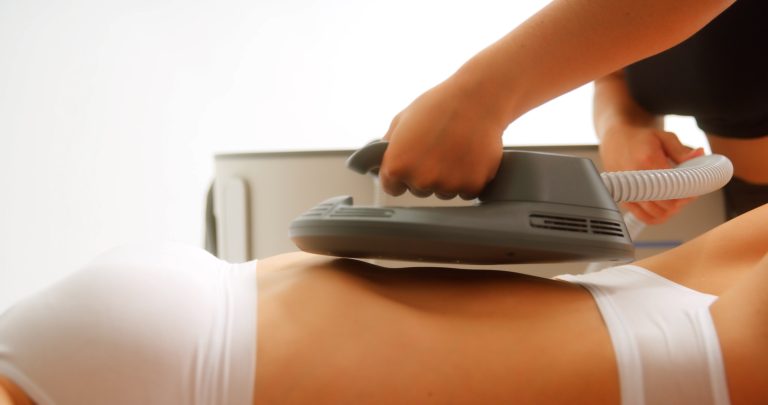
A treatment applicator is positioned over the selected area and gently draws the tissue into the applicator using suction.
The controlled cooling affects the fat layer beneath the skin, triggering changes in the treated fat cells.
Over the following weeks and months, the body gradually processes these affected cells, leading to a reduction in the thickness of the treated fat layer. The changes develop progressively rather than immediately.
What Happens During Fat Freezing Treatment?
Before treatment, the area is assessed to determine whether there is a suitable layer of subcutaneous fat and whether the applicator can be positioned appropriately. The treatment area is marked and a protective gel pad or membrane is placed over the skin. The applicator is then positioned over the area and suction draws the tissue into the cooling chamber. During the first few minutes, patients may feel strong cold, pulling or pressure. As the area becomes numb, the sensation usually becomes less noticeable.
Treatment time depends on the applicator and area being treated. Treatment time is expected to last anywhere from 35 to 60 minutes per treatment cycle.
What Areas Can Be Treated?
ABDOMEN The abdomen is one of the most commonly treated areas. Fat freezing may be considered for patients with soft, pinchable abdominal fat who want a more defined abdominal contour without surgery.
FLANKS AND LOVE HANDLES Localised fat around the sides of the waist may be suitable for cryolipolysis. These areas are commonly referred to as love handles or flanks.
INNER AND OUTER THIGHS Fat freezing may be used for selected pockets of fat around the inner or outer thighs. Suitability depends on the thickness and distribution of the fat layer.
UPPER ARMS Soft, pinchable fat around the upper arms may be treated in selected patients. If the main concern is loose skin rather than fat, a skin-tightening treatment may be more appropriate.
BACK AND BRA BULGES Localised fat around the upper or lower back may also be treated where there is sufficient tissue for appropriate applicator placement.
DOUBLE CHIN Selected patients with submental fat may be suitable for fat freezing beneath the chin. Assessment is important because fullness in this area can also be influenced by skin laxity, facial structure or a combination of factors.
Fat Freezing vs Weight Loss
Fat freezing and weight loss are different. When body weight is reduced through diet, exercise or medical weight management, existing fat cells generally become smaller.
Fat freezing is intended to reduce selected fat cells within a localised treatment area. This means that body contour may change even if there is little or no significant change on the weighing scale. Patients whose main goal is overall weight reduction may require a broader weight-management approach.
Fat Freezing vs SculpSure
Both treatments target localised subcutaneous fat, but they use different forms of energy.
Fat freezing uses controlled cooling.
SculpSure uses controlled laser-generated heat.
Neither is intended as a primary treatment for significant weight loss. The most suitable option depends on the treatment area, fat distribution, patient preference and clinical suitability.
Fat Freezing vs EmSculpt Neo
These treatments have different priorities.
Fat freezing is focused primarily on reducing localised subcutaneous fat.
EmSculpt Neo combines muscle stimulation with radiofrequency energy and is more focused on improving muscle tone and body definition.
Patients whose main concern is pinchable fat may therefore have different treatment needs from patients primarily seeking greater muscle definition.
Fat Freezing vs Liposuction
Fat freezing and liposuction both aim to reduce unwanted fat, but they are very different treatments.
Fat freezing is non-surgical and produces gradual changes over time.
Liposuction is a surgical procedure that physically removes fat and may achieve a greater degree of volume reduction in suitable patients.
Patients seeking more substantial fat removal should understand that non-surgical body contouring does not provide the same degree of change as surgery.
Possible Side Effects and Risks
Fat freezing is non-surgical, but it is not risk-free.
Temporary side effects may include redness, swelling, bruising, tenderness, firmness, numbness or altered sensation in the treated area. Less common complications can also occur.
Patients should be informed of the expected side effects and potential risks before treatment.
Is Fat Freezing Permanent?
Fat cells affected by cryolipolysis are gradually cleared from the treated area.
However, remaining fat cells can still enlarge if body weight increases. Future weight gain can also alter the contour of untreated areas. Maintaining a relatively stable weight is therefore important for preserving results.
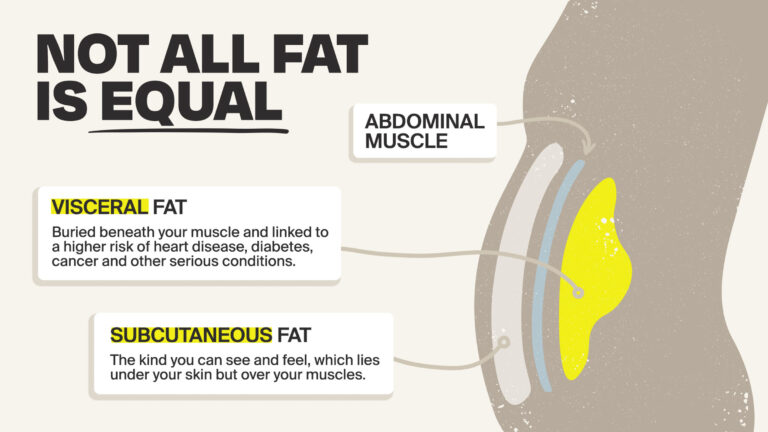
Can Fat Freezing Treat Visceral Fat?
No.
Fat freezing targets subcutaneous fat, which lies beneath the skin and can usually be pinched.
It does not directly target the deeper visceral fat that surrounds the internal organs.
Patients concerned about visceral fat should consider overall weight management, exercise, nutrition and appropriate medical assessment.
Can Fat Freezing Tighten Loose Skin?
Fat freezing should primarily be considered a fat-reduction treatment.
It is not designed primarily for significant skin tightening. If loose or sagging skin is the main concern, a different treatment may be more appropriate.
Fat Freezing at Radium Medical Aesthetics
At Radium Medical Aesthetics, fat freezing may be considered for selected patients with localised, pinchable areas of subcutaneous fat.
Treatment planning takes into account the amount and distribution of fat, treatment area, skin quality, body composition and individual goals.
Where appropriate, fat freezing may be used alone or as part of a broader body-contouring plan.
Frequently asked questions about fat freezing in Singapore
Yes, selected men and women may be suitable depending on the amount and location of subcutaneous fat.
It may help reduce selected areas of pinchable subcutaneous abdominal fat.
It does not directly treat deeper visceral fat.
Yes, the flanks or love handles are commonly treated areas.
Neither is universally better.
Fat freezing uses controlled cooling, while SculpSure uses laser-generated heat.
The appropriate treatment depends on the treatment area and individual suitability.
No.
Liposuction is a surgical procedure and can remove larger volumes of fat.
Fat freezing is intended for more modest, non-surgical body contouring.
The treated fat cells are reduced, but remaining fat cells can enlarge if weight increases.
Maintaining a stable weight and healthy lifestyle is therefore important.
The number of sessions depends on the treatment area, thickness of the fat layer and the desired degree of contouring.
Some patients may be satisfied after one treatment, while others may require additional treatment cycles or repeat sessions.
Larger areas such as the abdomen or thighs may require a different treatment plan from smaller areas.
Fat freezing results develop gradually.
Some patients may begin noticing changes after several weeks, with further improvement developing over the following months.
The final degree of change depends on factors such as the treatment area, fat thickness, number of cycles performed and individual response.
Fat freezing may be considered for selected men and women who:
- are relatively close to their preferred weight
- have small to moderate areas of pinchable subcutaneous fat
- prefer a non-surgical approach
- have realistic expectations about gradual body contouring
- are looking to refine areas such as the abdomen, flanks, thighs, arms, back or double chin
Fat freezing is not appropriate for everyone.
It may not be recommended for patients who are pregnant, who have certain cold-related medical conditions, or who have particular medical or skin conditions affecting the treatment area.
It may also be less suitable where the main concern is significant skin laxity, generalised obesity, visceral fat, bloating, poor muscle tone or large-volume fat reduction.
A consultation is important before treatment.
Benefits
-
Non-surgical treatment for selected areas of localised fat -
Uses controlled cooling to target subcutaneous fat -
May improve body contour in suitable patients -
No surgical incision or scar -
Limited recovery compared with surgical fat reduction
Best For
Men and women who are relatively close to their preferred weight and have small to moderate areas of pinchable subcutaneous fat, such as the abdomen, flanks, thighs, arms, back or double chin, and prefer a non-surgical body-contouring approach.