Probiotics in Singapore and Gut Testing: Why Gut Health Matters More Than You Think
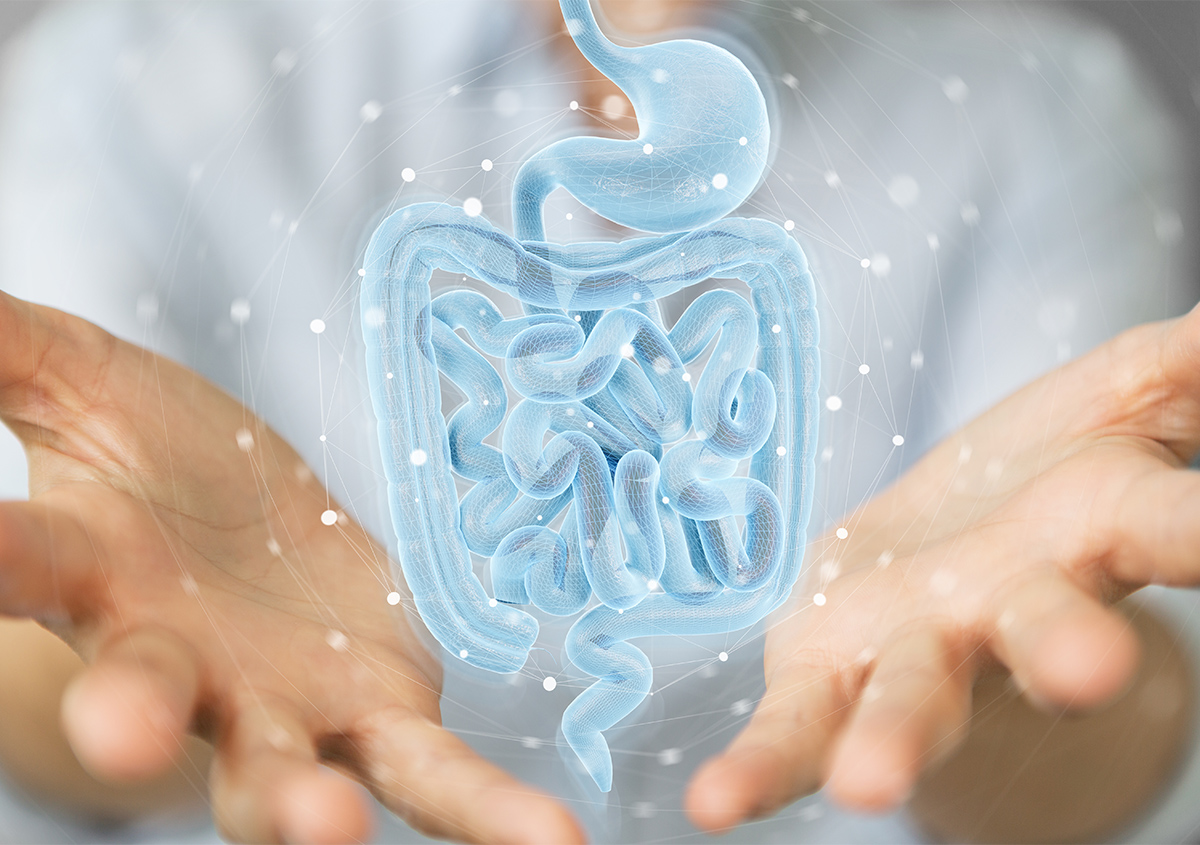
There is a growing interest in probiotics in Singapore over the recent years as more people begin to understand the link between gut health, digestion, immunity, energy, and skin health. At the same time, gut testing is gaining more attention as a way to better understand what is happening inside the digestive tract and whether a more personalised approach to nutrition and supplementation is helpful.
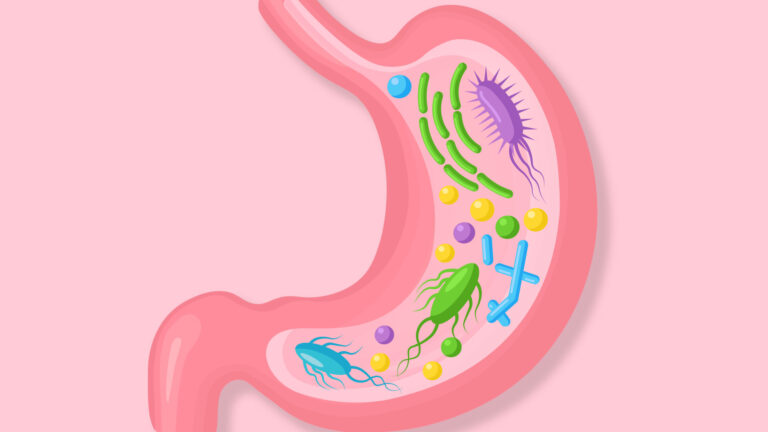
Our gut is home to trillions of microorganisms, often referred to as gut microbiome. This complex ecosystem of microorganisms plays an important role in digestion, nutrient absorption, immune system, and overall balance in the body.
What are probiotics?
Probiotics are live bacteria and yeasts that can support the natural balance of microorganisms in the gut. Common probiotic groups include Lactobacillus, Bifidobacterium, and certain beneficial yeasts such as Saccharomyces boulardii. They may be found in fermented foods and in dietary supplements.
The recent surge in popularity of probiotics in Singapore is relatively straightforward: modern lifestyles can affect gut balances. Stress, lack of sleep, low-fibre diets, travel and antibiotic use may influence the balance of gut microbiome.
Very often, this may show up as bloating, irregular bowel movements, digestive discomfort, or a general sense that the body feels “off.” Probiotics may help support digestive function and microbial balance, although benefits can vary depending on the strain used and the individual taking it.
Importance of gut health
The gut does far more than digest food. The digestive tract breaks down nutrients so the body can absorb and use them for energy, growth, and repair. The gut microbiome also interacts with the immune system and influences many processes that affect overall wellbeing.
When the gut microbiome is more balanced, people may feel more comfortable after meals and experience better digestive regularity. A healthy microbiome has also been associated with resilience and diversity, which are considered positive signs of gut health.
This is one reason probiotics in Singapore are no longer seen as just a wellness trend. They are increasingly part of a broader conversation about preventive health, nutrition, and personal wellbeing.
Signs of gut imbalance you should look out for
Not everyone with gut imbalance will have obvious symptoms, but some common signs can include:
- bloating or gas
- constipation or diarrhoea
- digestive discomfort after eating
- feeling unusually sensitive to certain foods
- changes in bowel habits
- fatigue or feeling run down
Persistent digestive symptoms can also be linked to medical conditions, so they should not be ignored. Stool-based testing is commonly used by doctors to investigate and provide an accurate picture of bowel and stomach issues, including ongoing infections and other underlying gastrointestinal problems.
What is Gut Health Testing?
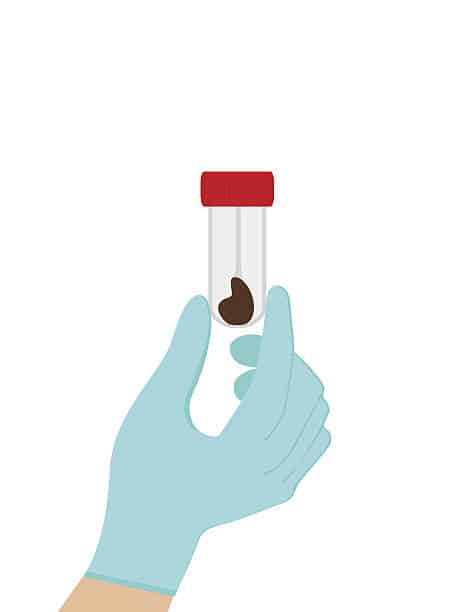
Gut health testing usually refers to analysing a stool sample to learn more about the digestive environment. Depending on the type of test, it may provide information about the microorganisms present in the gut, markers related to digestion, and other indicators that help guide interpretation.
The appeal of gut health testing is that it offers a more personalised starting point. Rather than guessing which supplements or dietary changes may be suitable, gut testing may help identify patterns that support a more tailored plan.
Although microbiome tests can provide interesting insights about the composition of the gut microbiome, doctors do not recommend many commercial microbiome tests for general use. This is because the standards and interpretations of results are still evolving. While gut testing can be a useful tool to provide useful information about your gut health, it should not be treated as the absolute answer to your health.
Why combine probiotics with gut testing?
This is where the conversation becomes more interesting. Not everyone responds to probiotics in exactly the same way. Research suggests that individual baseline microbiome patterns can influence how a person responds to probiotic interventions or dietary changes.
This means that two people can take the same probiotic and have very different results.
That is why gut testing may be helpful. It can add context. Instead of taking a one-size-fits-all approach, a more personalised plan may be created based on symptoms, diet, lifestyle, and test findings. For people exploring probiotics in Singapore, this personalised angle is often what makes gut health support feel more relevant and practical.
Why combine probiotics with gut testing?
This is where the conversation becomes more interesting. Not everyone responds to probiotics in exactly the same way. Research suggests that individual baseline microbiome patterns can influence how a person responds to probiotic interventions or dietary changes.
This means that two people can take the same probiotic and have very different results.
That is why gut testing may be helpful. It can add context. Instead of taking a one-size-fits-all approach, a more personalised plan may be created based on symptoms, diet, lifestyle, and test findings. For people exploring probiotics in Singapore, this personalised angle is often what makes gut health support feel more relevant and practical.
Can probiotics replace a healthy diet?
No. Probiotics work best as part of a bigger gut health strategy.
A healthy gut is influenced by what you eat regularly, not just what you take occasionally. Fermented foods may support the microbiome, and fibre is especially important because it feeds beneficial gut bacteria. Research from Stanford found that a diet high in fermented foods increased microbiome diversity and lowered inflammatory markers in participants over time.
This means that probiotics should not be seen as a shortcut. A strong gut health routine may include:
- probiotic-rich or fermented foods
- enough dietary fibre
- proper hydration
- stress management
- good sleep habits
- targeted supplementation where appropriate
Choosing probiotics in Singapore: what should you look for?
SPECIFIC STRAINS MATTER Not all probiotics do the same thing. Different strains may have different roles and levels of evidence.
QUALITY MATTERS The product should come from a reputable manufacturer with proper storage, labelling, and stability.
THE RIGHT FIT MATTERS A probiotic that works well for one person may not be the best fit for another.
CONTEXT MATTERS Diet, symptoms, stress, travel, antibiotic history, and bowel habits can all affect whether a probiotic is likely to be useful.
This is why pairing gut testing with professional guidance may be valuable, especially for people who want a more informed and personalised plan rather than simply buying the first probiotic they see.
Who may benefit from gut testing?

Gut testing may be worth considering for people who:
- often experience bloating or digestive discomfort
- have irregular bowel habits
- want to better understand their gut health profile
- are interested in a more personalised nutrition or supplement plan
- have tried probiotics before but are unsure whether they chose the right one
It can also appeal to those who are taking a broader wellness approach and want to understand the relationship between digestion, immunity, energy, and skin health.
Gut Health Testing in Singapore
Your gut microbiome is unique.
It contains trillions of microorganisms that play important roles in digestion, immune regulation, metabolism and overall wellbeing. While many people take probiotics or make dietary changes based on general advice, gut health testing provides personalised insights into your own gut microbiome, allowing recommendations to be tailored to your individual needs.
At Radium Medical Aesthetics, our doctor-led gut health testing programme combines advanced microbiome analysis with clinical interpretation to help you better understand your digestive health and support your long-term wellness goals.
Why Choose Gut Health Testing Instead of Guesswork?
Many people start taking probiotics or make dietary changes based on recommendations from friends, social media or general wellness advice. While these approaches may be helpful for some, no two gut microbiomes are exactly alike.
Gut health testing takes a personalised approach by analysing your unique gut microbiome. Instead of relying on trial and error, the test provides valuable insights into the composition and diversity of your gut bacteria, allowing recommendations to be tailored to your individual needs.
Gut health testing may provide insights into:
- The diversity of your gut microbiome
- The balance of beneficial and less favourable bacteria
- Digestive health patterns
- Personalised dietary and lifestyle recommendations
- Overall gut wellness
Rather than guessing what your body needs, gut microbiome testing provides a clearer understanding of your digestive health, helping you make more informed decisions about your nutrition and lifestyle.
What Can Gut Health Testing Reveal?
Every person’s gut microbiome is unique. Gut health testing helps build a clearer picture of your digestive ecosystem by analysing the microorganisms living within your gastrointestinal tract.
GUT MICROBIOME DIVERSITY A healthy gut is typically home to a diverse range of microorganisms. Greater microbial diversity is generally associated with a resilient and balanced gut ecosystem.
BALANCE OF GUT BACTERIA The test analyses the relative abundance of different microorganisms within your gut, providing insights into your microbiome composition and overall digestive environment.
DIVERSITY WELLNESS Understanding your gut microbiome may help explain patterns relating to digestion, bowel habits and overall gastrointestinal wellbeing.
PERSONALISED NUTRITION Instead of following generic dietary advice, your report provides personalised nutritional recommendations based on your individual microbiome profile.
LIFESTYLE RECOMMENDATIONS Your results can also guide practical lifestyle changes that support long-term gut health, including dietary adjustments and healthy daily habits.
LONG-TERM PREVENTIVE HEALTH The gut microbiome is increasingly recognised as an important part of overall health. Gut health testing provides valuable information that may support a proactive approach to long-term wellness.
Gut Health Testing Is Only The Beginning
Receiving your gut microbiome report is only the first step.
At Radium Medical Aesthetics, we believe the true value lies in understanding what your results mean in the context of your overall health.
Our doctors review your results together with your medical history, symptoms, lifestyle, dietary habits and wellness goals before discussing personalised recommendations.
Rather than offering a one-size-fits-all solution, we focus on helping you better understand your gut health so you can make informed decisions that support your long-term wellbeing.
Because personalised healthcare begins with understanding your body – not making assumptions.
The future of personalised gut health
The general population in Singapore is starting to take charge of their own health. This is reflected in the bigger shift towards personalised wellness and wellbeing. They want to understand their own body better and make informed decisions based on meaningful data.
That is where gut testing may play a helpful role. While microbiome science is still developing and should be interpreted responsibly, gut testing may offer a useful starting point for people who want more insight into their digestive health and a more customised plan for support.
Gut health is about more than digestion alone. A balanced gut microbiome supports many functions that influence how you feel day to day. Probiotics may be one part of that picture, but they are most helpful when considered in the context of diet, lifestyle, symptoms, and individual needs.
As awareness of probiotics in Singapore continues to grow, gut testing may help move the conversation from guesswork to a more informed and personalised strategy. For those who want to better understand their gut and make smarter choices about nutrition and supplementation, this combination may be a meaningful step toward better overall wellbeing.
Frequently Asked Questions About Gut Health Testing
IS GUT HEALTH TESTING PAINFUL? No. Gut health testing is non-invasive and involves collecting a stool sample in the comfort of your own home using the collection kit provided.
HOW LONG DOES IT TAKE TO RECEIVE RESULTS? Results are typically available within a few weeks after the laboratory receives your sample. Your doctor will review the findings with you during your follow-up consultation.
SHOULD I STOP TAKING PROBIOTICS BEFORE THE TEST? Depending on the laboratory protocol and the supplements you are taking, you may be advised to temporarily stop certain probiotics before sample collection. Your doctor will provide specific instructions if required.
CAN GUT HEALTH TESTING DIAGNOSE MEDICAL CONDITIONS? Gut microbiome testing is designed to provide insights into the composition of your gut microbiome and digestive health. It is not intended to diagnose diseases or replace medical investigations where clinically indicated.
CAN GUT HEALTH AFFECT MY SKIN? Emerging research suggests there may be a relationship between the gut microbiome and skin health through what is often referred to as the gut-skin axis. While research is ongoing, maintaining good gut health forms part of a holistic approach to overall wellness.
CAN GUT HEALTH AFFECT WEIGHT MANAGEMENT? The gut microbiome plays a role in digestion, metabolism and energy regulation. Gut health testing may provide useful insights that complement a personalised nutrition and lifestyle programme.
WHO SHOULD CONSIDER GUT HEALTH TESTING? Gut health testing may be suitable for individuals who experience digestive symptoms such as bloating, constipation or diarrhoea, those interested in understanding their gut microbiome, or anyone looking to take a more personalised approach to preventive health and overall wellbeing.