Jawline Filler Singapore: What It Can and Cannot Improve
A well-defined jawline can influence how structured, balanced and proportionate the lower face appears.
However, not every soft or poorly defined jawline is caused by the same thing.
In some people, the issue may be related to:
- underlying bone structure
- insufficient chin projection
- age-related volume changes
- skin laxity
- submental fat
- facial proportions
- a combination of several factors
This is important because jawline filler is not automatically the right treatment for everyone.
In selected patients, dermal filler can be used to improve jawline definition, strengthen parts of the lower-face contour and create better balance between the chin and jawline.
But if the main problem is loose skin, excess fat or significant structural deficiency, filler may not address the underlying cause effectively.
A proper assessment should therefore come before deciding whether jawline filler is suitable.
Learn more about dermal fillers in Singapore →
What Is Jawline Filler?
Jawline filler is a non-surgical injectable treatment that uses dermal filler to add selected areas of structural support along the jaw.
Depending on the patient’s anatomy, filler may be placed around areas such as:
- the mandibular angle
- the jawline
- selected areas of the lower face
- the transition between the chin and jawline
The treatment works by adding volume and contour.
It does not remove fat, tighten loose skin or change the underlying jawbone permanently.
What Can Jawline Filler Improve?
Jawline filler may be used to improve selected concerns such as:
POOR JAWLINE DEFINTION Filler may help create a clearer transition between the lower face and neck in selected patients.
A WEAK MANDIBULAR ANGLE In some patients, structural filler can be used to improve definition around the angle of the jaw.
IMBALANCE BETWEEN THE CHIN AND JAWLINE The chin and jawline should be assessed together. If the chin lacks projection, treating the jawline alone may create an imbalanced result.
MILD LOWER-FACE ASYMMETRY Carefully placed filler may help improve selected contour differences between the two sides of the jaw.
AGE-RELATED LOSS OF LOWER-FACE STUCTURE With ageing, changes in bone, fat and soft tissue can affect the appearance of the jawline.
In selected patients, filler may help restore support where volume has been lost.

Jawline Filler Is Not the Same as Facial Slimming
This is one of the most important distinctions to understand.
Jawline filler adds volume.
It does not remove fat or physically slim the face.
In fact, adding filler indiscriminately can make the lower face look wider or heavier.
Some patients may feel that their jawline is poorly defined because of:
- submental fat
- lower-face heaviness
- skin laxity
- enlarged masseter muscles
- weak chin projection
These concerns require different treatment approaches.
A proper consultation should identify the actual cause before filler is recommended.
Jawline Filler vs Chin Filler
Jawline filler and chin filler are related but they are not the same treatment.
CHIN FILLER Chin filler mainly focuses on:
- forward projection
- chin length
- lower-face proportions
- profile balance
JAWLINE FILLER Jawline filler focuses more on:
- mandibular definition
- selected lower-face contour
- jaw angle definition
- transitions along the jawline
In many patients, the chin contributes significantly to how defined the jawline appears. This means that treating the chin may sometimes create better overall lower-face balance than adding filler along the entire jawline. The appropriate approach depends on anatomy.
Learn more about chin filler →

Can Jawline Filler Make the Face Look More Defined?
Yes, in selected patients. Jawline filler may create the appearance of greater definition by strengthening selected contours of the lower face. However, the result depends on why the jawline looks soft in the first place.
If the issue is primarily:
- weak bone structure
- limited chin projection
- selected contour deficiency
filler may help.
If the issue is mainly:
- loose skin
- excess submental fat
- significant jowling
- general facial heaviness
another treatment may be more appropriate.
What Jawline Filler Cannot Fix
Jawline filler has important limitations.
It cannot:
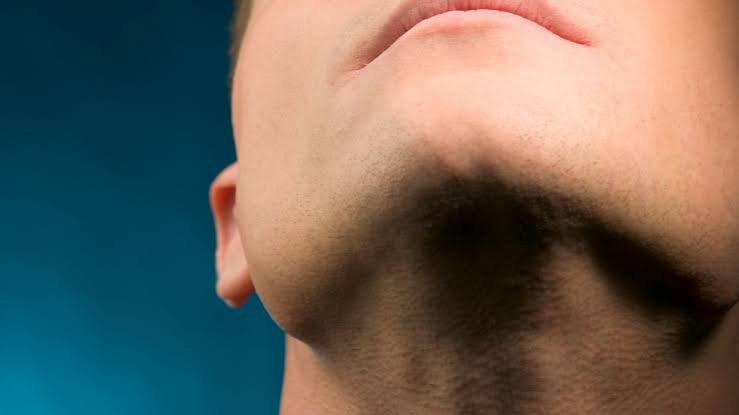
- remove a double chin
- tighten loose skin
- eliminate jowls
- reduce enlarged masseter muscles
- permanently reshape the jawbone
- replace surgery where significant structural change is required
Adding filler to the wrong patient may create more heaviness rather than definition. This is why assessment matters more than simply deciding that the jawline “needs filler”.
Jawline Filler vs Skin Tightening
If the jawline appears poorly defined because of skin laxity, adding filler may not address the main cause.
Skin tightening treatments may be considered where the concern is related to:
- early lower-face laxity
- reduced skin firmness
- mild jowling
- loss of tissue support
Depending on the patient’s condition, treatments such as ultrasound or radiofrequency-based tightening may be more appropriate than filler, or may sometimes be combined with filler as part of a broader treatment plan. The decision should depend on whether the issue is primarily structure, skin laxity, or both.

Jawline Filler vs Double-Chin Treatments
If excess fat beneath the chin is contributing to poor jawline definition, filler will not remove that fat. In such cases, treatment may need to address the submental area instead. Options may include non-surgical fat-reduction or contouring treatments depending on suitability.
Once again, the most important step is identifying the underlying reason the jawline appears poorly defined.
How Is Jawline Filler Performed?
Before treatment, the doctor should assess the lower face as a whole.
This may include:
- chin projection
- jaw width
- mandibular angle
- lower-face proportions
- facial symmetry
- skin laxity
- submental fat
- previous filler
- treatment goals
The skin is then cleansed and filler is placed into selected areas according to the treatment plan. The amount and placement vary significantly between patients. Jawline filler should not be approached as a standard “X syringes per side” treatment.

How Much Jawline Filler Is Needed?
There is no single amount suitable for everyone.
The amount depends on:
- existing jaw structure
- degree of deficiency
- treatment area
- facial width
- desired degree of definition
- filler characteristics
- whether the chin also requires treatment
Some patients may require relatively little filler. Others may require more extensive treatment, while some may not be good candidates for jawline filler at all. More filler does not automatically create a sharper jawline.
Can Jawline Filler Look Natural?
Yes, when treatment is conservative and proportionate. Natural-looking jawline filler should preserve the patient’s individual facial structure rather than creating an exaggerated or overly angular lower face.
The doctor should consider:
- face shape
- gender-neutral facial proportions rather than stereotypes
- chin projection
- jaw width
- cheek structure
- neck contour
- overall balance
The aim is to enhance structure without making the lower face look heavy or artificial.
What Are the Risks of Jawline Filler?
Jawline filler is a medical procedure and complications can occur.
Possible risks include:
- swelling
- bruising
- tenderness
- lumps or irregularities
- asymmetry
- infection
- inflammatory reactions
- filler migration
Rare but serious vascular complications can also occur if filler unintentionally enters or compresses a blood vessel. This can affect blood supply to the surrounding tissues and requires prompt recognition and treatment. For this reason, facial anatomy knowledge and appropriate injection technique are important.
Jawline Filler for Men and Women
The treatment should not be based on a standard “male” or “female” jawline. Instead, planning should consider the patient’s individual facial proportions and aesthetic goals. Some patients may prefer a stronger, more angular contour. Others may prefer a softer transition between the chin and jawline.
The treatment plan should reflect the patient’s anatomy rather than a fixed template.

Dr Siew Tuck Wah's Approach to Jawline Filler
At Radium Medical Aesthetics, jawline filler is assessed as part of the overall lower face rather than as an isolated treatment area.
Dr Siew Tuck Wah considers the relationship between:
- chin projection
- jawline structure
- facial width
- skin laxity
- submental fullness
- overall facial proportions
The aim is to determine whether filler will genuinely improve the jawline. In some patients, chin filler may create better balance. In others, skin tightening or treatment of submental fullness may be more appropriate. And in some cases, no filler may be recommended.
Learn more about Dr Siew Tuck Wah →
Frequently Asked Questions About Jawline Filler in Singapore
Not directly.
Jawline filler adds volume rather than removes it.
In selected patients, improving structure may create the appearance of greater definition, but filler does not physically slim the face.
No.
Jawline filler does not remove submental fat.
If a double chin is the main concern, the underlying fat or skin laxity needs to be assessed separately.
No.
Chin filler primarily improves chin projection and lower-face proportions, while jawline filler focuses on contour and definition along the jaw.
The two may sometimes be combined.
There is no standard amount.
The required volume depends on anatomy, treatment goals and whether the chin or other areas also need treatment.
Hyaluronic acid jawline filler can generally be dissolved with hyaluronidase when medically appropriate.
Not all filler materials can be dissolved in the same way.
No.
Most jawline fillers are temporary.
Their longevity depends on the filler used and individual factors.
Jawline filler may be considered for patients with:
- limited jawline definition
- selected structural deficiency
- weak mandibular angles
- mild lower-face asymmetry
- age-related loss of structural support
- imbalance between the chin and jawline
Suitability depends on whether adding volume is likely to improve the contour.
Jawline filler may not be the right treatment where poor definition is mainly caused by:
- significant skin laxity
- prominent jowls
- excess submental fat
- excessive lower-face width
- significant structural deformity
- unrealistic expectations
Patients with certain medical conditions, active infection, previous filler complications or unclear existing filler should also be assessed carefully.