CO2 Skin Resurfacing Laser
CO2 Laser Singapore: Fractional Skin Resurfacing Treatment
Fractional CO₂ laser is a skin resurfacing treatment that uses controlled laser energy to create microscopic treatment zones in the skin, stimulating the skin’s natural repair process and collagen remodelling.
It may be used to improve concerns such as acne scars, uneven skin texture, enlarged pores, fine lines and signs of photoageing.
Unlike treatments that primarily target skin colour or pigmentation, fractional CO₂ laser resurfacing works by creating controlled thermal injury within selected areas of the skin. As the skin heals, new collagen formation and tissue remodelling can gradually improve skin texture and the appearance of selected scars.
At Radium Medical Aesthetics, CO₂ laser treatment is customised according to the patient’s skin, treatment area, concern and desired level of resurfacing.

What Is Fractional CO2 Laser?
Carbon dioxide, or CO₂, lasers use a wavelength of approximately 10,600 nm, which is strongly absorbed by water within the skin.
Traditional fully ablative CO₂ lasers remove the entire surface of the treated area and can involve significant recovery.
Fractional CO₂ laser technology, on the other hand, treats the skin in microscopic columns while leaving areas of surrounding tissue intact. These untreated areas support the healing process while the treated areas undergo resurfacing and collagen remodelling.
This fractional approach allows the doctor to adjust treatment according to the patient’s concern and the level of resurfacing required.
How Does Fractional CO2 Laser Work?
During treatment, fractional CO₂ laser energy creates microscopic treatment zones within the skin.
These controlled zones initiate a wound-healing response. Over time, the skin undergoes renewal and collagen remodelling, which may improve surface irregularities, selected acne scars, fine lines and overall skin texture.
Treatment parameters can be adjusted according to factors such as the treatment area, skin characteristics, severity of the concern and desired recovery period.
This is important because CO₂ laser resurfacing does not need to be performed at the same intensity for every patient.


What Can CO2 Laser Treat?
Fractional CO₂ laser resurfacing may be considered for several skin concerns, including:
ACNE SCARS Selected atrophic acne scars, particularly textural and depressed scars, may improve through resurfacing and collagen remodelling.
UNEVEN SKIN TEXTURE Fractional resurfacing can help improve areas of rough or irregular skin texture.
ENLARGED PORES Improvements in skin texture and collagen remodelling may make enlarged pores appear less prominent in selected patients.
FINE LINES AND SIGNS OF AGEING CO₂ laser resurfacing may help improve selected fine lines and textural changes associated with skin ageing and sun exposure.
SELECTED SCARS Depending on the scar type and characteristics, fractional CO₂ laser may also be considered as part of a scar-management treatment plan.
The appropriate treatment depends on the condition being treated, skin characteristics and individual assessment.
CO2 Laser for Acne Scars
Fractional CO₂ laser is commonly considered for selected atrophic acne scars and uneven skin texture.
The laser creates microscopic treatment zones within the scarred skin, triggering healing and collagen remodelling. As this process develops over time, the appearance and depth of selected acne scars may gradually improve.
However, not every acne scar should be treated with CO₂ laser alone.
Ice pick, boxcar and rolling scars have different structures and depths. Rolling scars may sometimes be tethered to deeper tissue, while deep ice pick scars may require a more focal treatment approach.
For patients with several types of acne scars, CO₂ laser may therefore form part of a combination acne scar treatment plan rather than being used as the only treatment.
Explore acne scar treatment in Singapore →
Is CO2 Laser Suitable for Every Type of Acne Scar?
No single treatment is suitable for every type of acne scar.
Fractional CO₂ laser may be useful for selected atrophic scars and textural irregularities, but other treatments may be considered depending on the scar structure.
For example, selected tethered rolling scars may require subcision to release fibrous attachments beneath the skin, while TCA CROSS may be considered for selected deep ice pick scars. RF microneedling is another option that may be used for selected atrophic scars and dermal remodelling.
Patients frequently have several types of scars at the same time. A doctor should therefore assess the scars before determining whether CO₂ laser alone or a combination approach is more appropriate.
Fractional CO2 Laser vs Pico Laser: What Is the Difference?
This is a section I would definitely add because patients often group all “lasers” together.
Fractional CO₂ laser and Pico laser use different wavelengths and mechanisms and are generally selected for different treatment objectives.
Fractional CO₂ laser is an ablative resurfacing treatment that creates controlled microscopic treatment zones within the skin. It is commonly used when skin texture, selected acne scars and resurfacing are the main concerns.
Pico laser uses very short pulses of laser energy and may be used for concerns such as pigmentation and selected tattoo pigments, depending on the device, wavelength and treatment settings.
The appropriate laser therefore depends on what is being treated. Patients with both acne scarring and post-acne pigmentation may require different treatment approaches for the textural scars and the residual colour changes.
Explore Pico laser in Singapore →

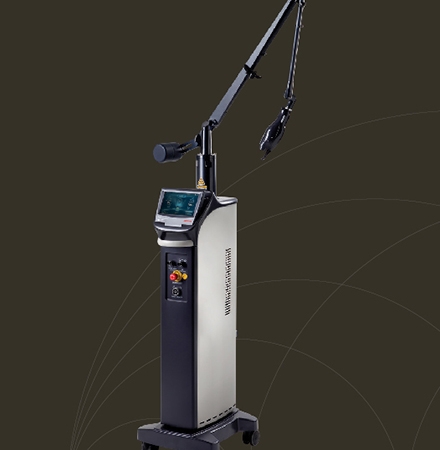
SmartXide Punto CO2 Laser at Radium
This is where I would introduce the machine rather than leading the page with the brand.
At Radium Medical Aesthetics, fractional CO₂ laser resurfacing is performed using the SmartXide Punto CO₂ laser system.
The system allows treatment parameters to be adjusted according to the patient’s skin concern, treatment area and desired level of resurfacing. This enables the doctor to customise the treatment rather than applying identical settings to every patient.
Depending on the treatment objective, different treatment intensities may be selected to balance the degree of resurfacing with the expected recovery period.
What Is CoolPeel?
Because you offer CoolPeel, give it a separate H2 rather than muddling it with conventional fractional CO₂.
CoolPeel is an approach to CO₂ laser resurfacing designed to deliver controlled treatment while limiting unnecessary thermal exposure to surrounding tissue.
It may be considered for patients seeking improvement in skin texture, pores and selected signs of skin ageing with a different recovery profile from more intensive CO₂ resurfacing.
The appropriate treatment intensity depends on the skin concern and desired outcome. A lighter CO₂ treatment is not automatically better than a more intensive treatment—or vice versa. The appropriate approach depends on what the treatment is intended to achieve.
Does Stronger CO2 Laser Mean Better Results?
Not necessarily.
The appropriate CO₂ laser settings depend on the condition being treated, depth of treatment required, skin characteristics and acceptable recovery period.
More intensive resurfacing can involve greater redness, swelling, crusting and recovery. Conversely, a lighter treatment may involve less downtime but may not be appropriate for a concern requiring deeper resurfacing.
The aim is therefore not simply to use the highest possible energy. Treatment parameters should be selected according to the individual patient’s skin and treatment objective.

What Happens During CO2 Laser Treatment?
Before treatment, the skin is assessed to determine the area and concern being treated. Patients should inform the doctor of relevant medical conditions, medications, previous procedures and any history of abnormal scarring or pigmentation.
A topical anaesthetic may be applied before treatment to improve comfort.
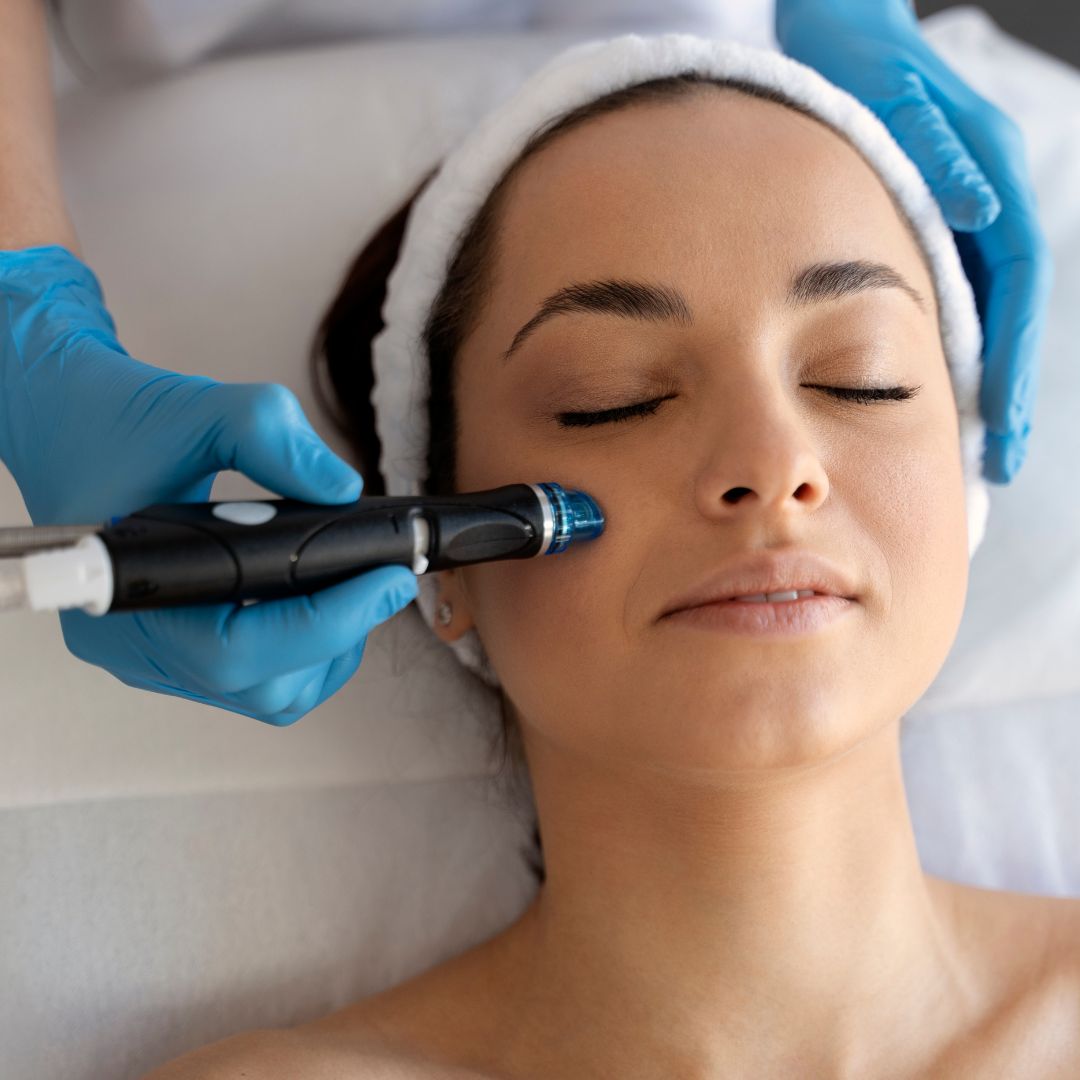
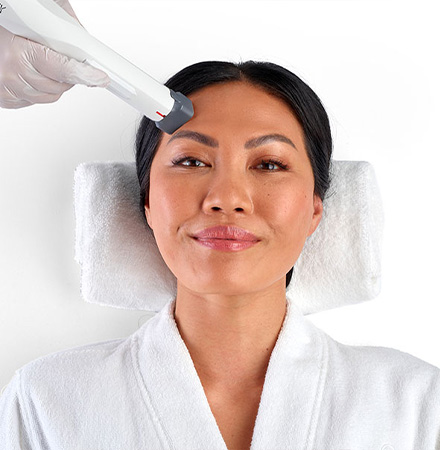
The CO₂ laser is then administered using settings selected according to the treatment plan. Patients may experience warmth, prickling or discomfort during the procedure.
Immediately after treatment, the skin may appear red and feel warm or sensitive. The degree of redness and subsequent recovery depends on the treatment intensity.
Post-treatment skincare and sun protection are important during the healing period.
Is CO2 Laser Painful?
The level of discomfort varies according to treatment intensity, area treated and individual sensitivity.
A topical anaesthetic is commonly used before fractional CO₂ laser resurfacing. During treatment, patients may experience sensations of heat, prickling or stinging.
The skin can also feel warm or sensitive immediately afterwards.
CO2 Laser Downtime: What Should I Expect?
Fractional CO₂ laser involves a period of skin recovery, although the extent of downtime varies according to the treatment settings and depth of resurfacing.
Immediately after treatment, patients may experience redness, warmth, swelling and sensitivity. Depending on treatment intensity, the skin may subsequently feel dry or rough and may develop temporary crusting or flaking as it heals.
More intensive resurfacing generally involves a longer visible recovery period than lighter treatments.
Patients should follow the post-treatment instructions provided by the clinic and avoid picking or peeling healing skin.
What Should I Avoid After CO2 Laser?
Following fractional CO₂ laser treatment, the skin barrier is temporarily more vulnerable while healing.
Patients should generally:
- use the recommended gentle skincare during recovery;
- avoid picking, scratching or peeling treated skin;
- minimise unnecessary heat and irritation;
- avoid introducing strong exfoliating or active skincare until advised;
- use appropriate sun protection and minimise excessive sun exposure; and
- follow the specific aftercare instructions provided by the clinic.
If unexpected or persistent symptoms occur after treatment, contact the clinic for assessment.
How Much Does CO2 Laser Cost in Singapore?
At Radium Medical Aesthetics, fractional CO₂ laser is priced at S$798 per session when performed à la carte. The price per session may be lower when treatment is purchased as part of a programme.
The overall cost of CO₂ laser treatment depends on factors such as the treatment area, skin concern, treatment plan and number of sessions required.
For patients seeking treatment for acne scars, CO₂ laser may also be combined with procedures such as subcision, TCA CROSS or RF microneedling where appropriate. In these cases, the overall acne scar treatment cost will depend on the combination of treatments recommended following assessment.
Doctor-Led CO2 Laser Treatment at Radium
Fractional CO₂ laser treatment at Radium Medical Aesthetics is planned according to the patient’s skin characteristics, treatment concern, desired degree of resurfacing and acceptable recovery period.
For patients seeking treatment for acne scars, the scar pattern should first be assessed to determine whether CO₂ laser is appropriate on its own or whether other treatments may be required for different scar types.
Dr Lina Yow has a clinical interest in acne, acne scarring, pigmentation and skin health. Treatment plans can be customised according to the patient’s individual skin concerns and treatment goals.
Frequently asked questions about CO2 laser treatment in Singapore
Fractional CO₂ laser may help improve selected atrophic acne scars and uneven skin texture by stimulating resurfacing and collagen remodelling. However, different scar types may require different treatments. Tethered rolling scars, for example, may require subcision, while selected deep ice pick scars may be treated with TCA CROSS. A doctor should assess the scars before recommending treatment.
CO₂ laser treatment aims to improve the appearance and texture of acne scars rather than guarantee their complete removal. Results vary according to scar type, depth, treatment intensity and individual healing response. Patients with mixed or deeper scars may require several sessions or combination treatment.
The number of sessions depends on the condition being treated, its severity, treatment intensity and individual response. More significant acne scars and textural concerns may require multiple sessions or combination treatment.
Fractional CO₂ resurfacing may improve overall skin texture and make enlarged pores appear less prominent in selected patients. The degree of improvement varies according to the underlying cause of the pores and individual skin characteristics.
Fractional CO₂ laser is an ablative resurfacing treatment commonly used for concerns involving skin texture and selected acne scars. Pico lasers use very short laser pulses and may be used for concerns such as pigmentation or selected tattoo pigments depending on the device and wavelength. The appropriate laser depends on the condition being treated.
CoolPeel is an approach to CO₂ laser treatment that uses controlled laser delivery with the aim of limiting unnecessary thermal exposure to surrounding tissue. Different CO₂ treatment settings and intensities can produce different treatment and recovery profiles. The appropriate approach depends on the patient’s concern and desired level of resurfacing.
Benefits
-
 Fractional Skin Resurfacing
 -
Stimulates Collagen Remodelling
-
Improves Selected Acne Scars
-
Refines Uneven Skin Texture
-
Customisable Treatment Intensity
-
Doctor-Led Treatment Planning
Best For
Adults seeking fractional skin resurfacing for selected acne scars, uneven skin texture, enlarged pores, fine lines or other suitable textural concerns, with treatment intensity customised according to their skin and desired recovery period.