Pimples and Spots on the Scalp: How to Treat Them Effectively
Getting pimples on the scalp can be surprisingly common. Some may appear as small itchy bumps on hair follicles, while others may be flaky, inflamed, or even cause hair to shed.
The most common culprit of such pimples and inflammation of the scalp is folliculitis, a condition marked by inflammation or infection of the hair follicles. They can show up as itchy or pus-filled bumps on the scalp. However, inflammation on the scalp can also be linked to dandruff or seborrheic dermatitis, fungal infection, irritation from use of hair products, or hair-loss conditions.
It is important to first figure out what kind of scalp condition you are dealing with before seeking out over-the-counter topical treatments or consume supplements you see online.
Why do you get inflammation and pimples on scalp
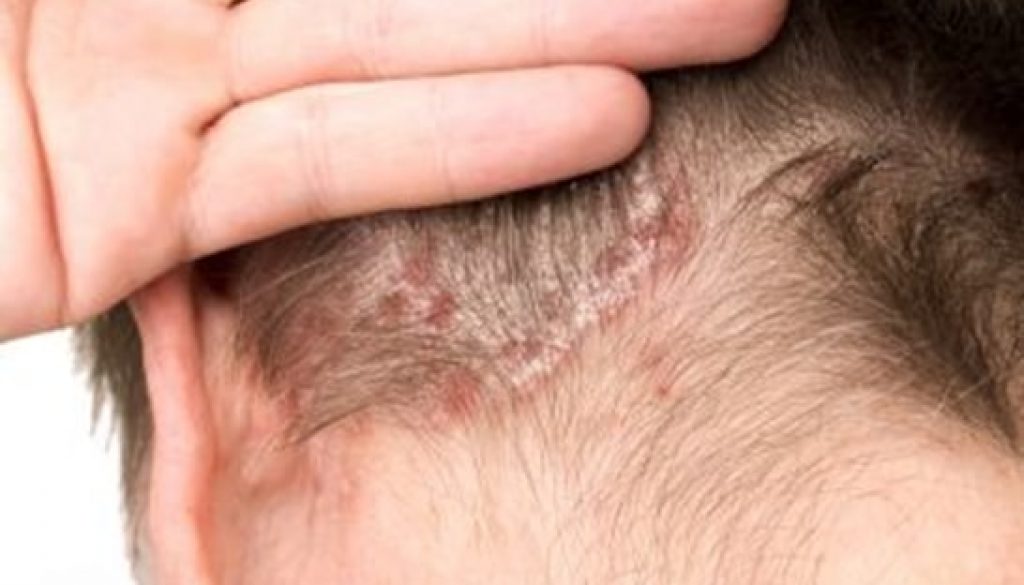
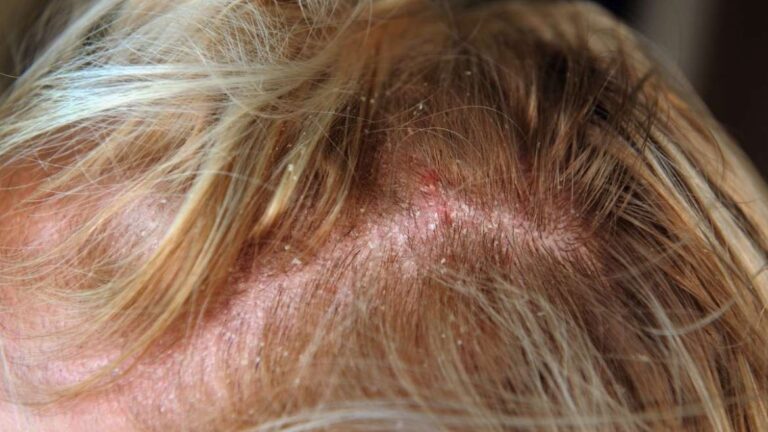
Folliculitis happens when hair follicles become inflamed, usually due to bacteria, yeast, friction, sweating, or use of unsuitable products that irritate the scalp. Common signs of folliculitis include clusters of small red or pus-filled bumps, accompanied by constant itch and redness. In mild cases, it may settle with proper scalp care. In more severe cases, medical intervention may be required.
Another common cause of scalp inflammation is seborrheic dermatitis, a condition that causes itch, irritation, flaking, and inflammation on the scalp. Medicated anti-dandruff shampoos are commonly used to treat it because it is usually linked to inflammation and yeast on the scalp.
On the other hand, what may look like pimples may be a fungal problem. The American Academy of Dermatology notes that scaly patches on the scalp together with hair loss or broken hairs can point to tinea capitis rather than routine dandruff or folliculitis. And if the scalp develops a round or oval smooth bald patch without much visible irritation, alopecia areata becomes a possibility.
How to tell what kind of scalp condition you may have
A simple way to think about it is to match the appearance with the likely cause.
If you have itchy, pus-filled bumps, especially around hair follicles, that is folliculitis. If you have greasy scalp accompanied by itch and redness, seborrheic dermatitis may be more likely. Scaly patch with localised bald spots, you may be suffering from alopecia areata.
Diagnosing the correct condition is the first step to correctly address the issue.
Folliculitis treatment: what usually helps
Just like pimples on the face, the most practical starting point for folliculitis treatment is to reduce the build-up of sweat, sebum, and microbes on the scalp. Mild folliculitis may improve with gentle cleansing and avoiding picking the pimples. Warm compresses on the affected area may also soothe discomfort. Common home items such as antibacterial cleansers, warm towels, and anti-itch topicals can also help with symptomatic relief.
People who use heavy styling products such as oils, waxes, clays or other occlusive products should also ease the use of these products that may worsen the inflammation around follicles. Keep the scalp clean at all times helps to reduce inflammation and redness of the scalp. Use a gentle shampoo to cleanse the scalp daily. These may seem straightforward and simple, but it can be difficult to follow through. The general key to good scalp health is to always keep scalp clean.
If bumps and redness persist, it may be time to consider seeing a doctor. Your doctor may recommend prescription treatment. Medications such as antibacterial wash containing benzoyl peroxide, or antibiotic creams containing clindamycin, or steroid cream may be prescribed.
Itchy scalp solution: beyond just shampoo
Scalp itch can occur in several conditions such as folliculitis, seborrheic dermatitis, psoriasis, fungal infection, or allergic irritation. If there is flaking with itch, medicated dandruff shampoos may help in mild to moderate seborrheic dermatitis.
If you suspect irritation caused by styling products, you should stop using them temporarily and simplify your routine. Avoid aggressively scrubbing the scalp, because irritation can make itching worse and damage already inflamed skin. In scalp eczema and irritated scalp conditions, gentler shampoos and avoiding irritants are often part of management.
Scalp health tips that really matter
Wash the scalp regularly enough for your hair type, especially after sweating. Rinse away styling products thoroughly. Avoid sharing combs, hats, or hair tools if infection is possible. Try not to pick at bumps or scabs. If shaving or clipping the scalp worsens bumps, consider whether ingrown hairs or friction may be part of the problem. Ingrown hairs are more likely after shaving because the cut hair can curve back into the skin.
It also helps to pay attention to patterns. Do the spots flare after workouts, after using a certain product, or after dyeing or treating your hair? Do they come with heavy flakes, or with painful pustules? That kind of pattern is useful because it helps separate inflammation, infection, and irritation. And if you have scalp symptoms plus obvious hair loss, that is a sign to get assessed sooner rather than later.
Best treatment for bald spots on scalp
If the bald spot is scaly, itchy, or associated with broken hairs, a fungal infection such as tinea capitis should be considered. That needs proper medical diagnosis and treatment, because it is not the same as routine dandruff or standard folliculitis.
If hair loss appears in a patch where the scalp is inflamed, painful, crusted, or covered with pustules, the priority is controlling the scalp disease first. Hair often has a better chance of recovering when the inflammation is treated early. Persistent inflamed scalp disease should not be ignored.
A balanced way to think about treatment
The good news is that most scalp conditions can be treated quite easily. Mild folliculitis can settle with simple changes to lifestyle habits and medical intervention. Seborrheic dermatitis often improves with the right shampoo routine. Some hair-loss conditions can be managed or improved, especially when treated early. But trying random supplements or over-the-counter topicals are usually less effective than matching the treatment to the actual cause.
The best approach is usually the simplest: notice the pattern, reduce irritation, keep the scalp clean but gentle, and do not delay getting help if you develop bald patches, persistent pustules, or worsening inflammation.
If all the above cannot work, make an appointment to see a hair doctor in Singapore as soon as possible.