RF Microneedling Acne Scar Treatment
Improve Acne Scars, Pores, Skin Texture and Firmness with Radiofrequency Microneedling
RF microneedling, also known as radiofrequency microneedling, combines fine microneedles with controlled radiofrequency energy to stimulate collagen production within the deeper layers of the skin.
Unlike conventional microneedling, which relies mainly on controlled micro-injuries created by the needles, RF microneedling delivers thermal energy directly into the dermis. This allows treatment to target both skin texture and the deeper structures responsible for collagen remodelling.
At Radium Medical Aesthetics, RF microneedling may be used to improve concerns such as:
- acne scars
- enlarged pores
- uneven or rough skin texture
- fine lines and wrinkles
- mild skin laxity
- loss of skin firmness
- overall skin quality
Treatment parameters can be customised according to skin type, treatment area and the concern being addressed.

How does RF microneedling work?
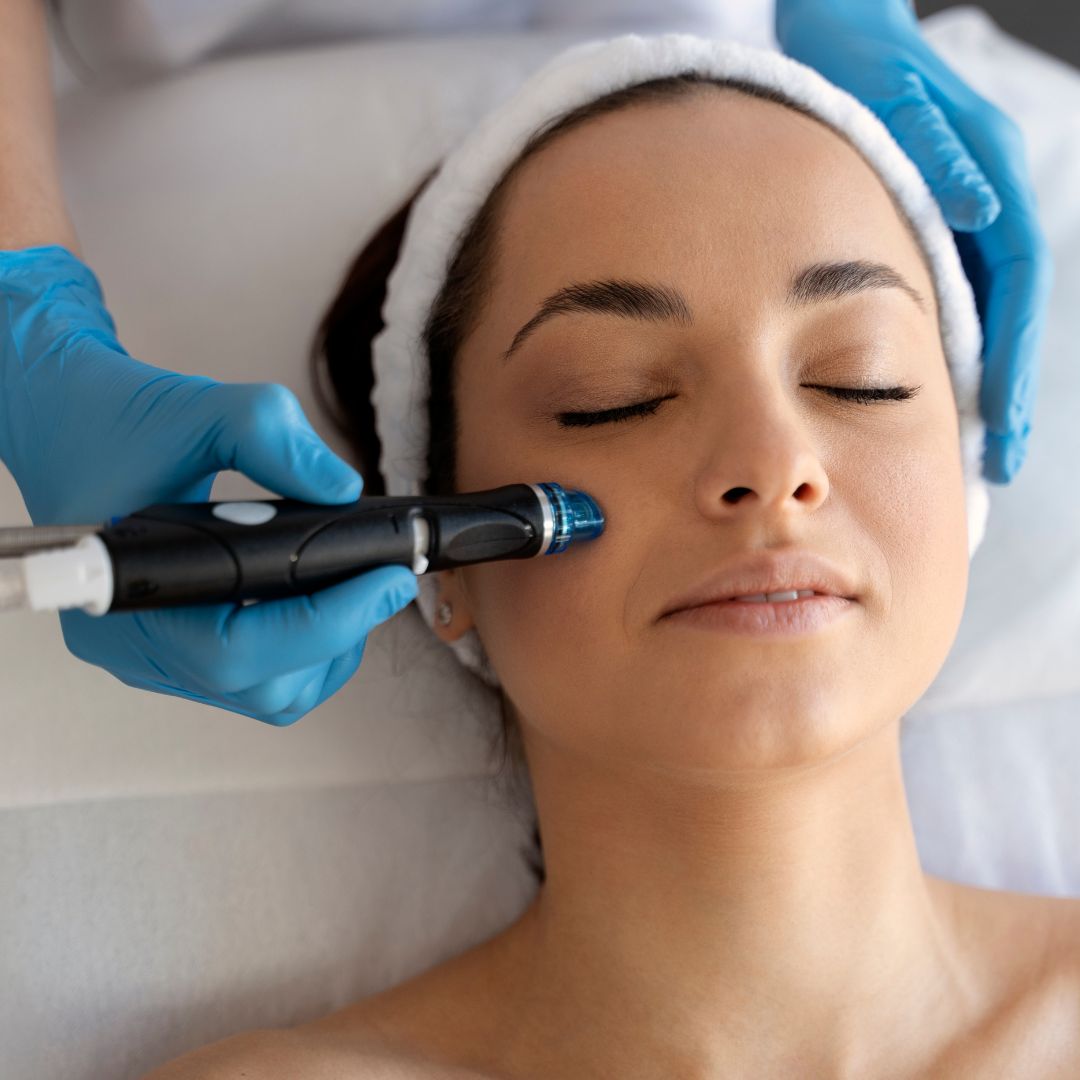
During RF microneedling treatment, fine needles penetrate the skin at controlled depths while radiofrequency energy is delivered through the needles into the underlying tissue.
This creates two complementary effects.
The microneedles produce controlled micro-injuries that activate the skin’s natural repair process, while radiofrequency energy generates controlled heat within the dermis.
Together, these processes encourage the production and remodelling of collagen and elastin.
As collagen renewal takes place gradually, improvements in skin texture, firmness and scarring develop progressively over the weeks and months following treatment.
What Can RF Microneedling Treat?
ACNE SCARS RF microneedling is commonly used as part of a treatment plan for depressed acne scars.
By delivering radiofrequency energy into the deeper skin layers, the treatment stimulates collagen remodelling within and around areas of scarring.
However, acne scars are not all the same.
Rolling, boxcar and ice-pick scars have different structures and depths, which means they may respond differently to treatment.
For this reason, RF microneedling may be used alone for some patients or combined with other acne scar treatments where appropriate.
ENLARGED PORES AND UNEVEN TEXTURE Large-looking pores are often influenced by factors such as oil production, skin elasticity and changes in the collagen surrounding the pores.
RF microneedling can help improve the appearance of enlarged pores by stimulating collagen production and improving overall skin texture.
Skin may gradually appear smoother and more refined following a series of treatments.
FINE LINES AND SKIN QUALITY Collagen production naturally decreases with age.
As the skin becomes thinner and less elastic, fine lines, crepiness and textural irregularities may become more noticeable.
By stimulating collagen and elastin within the dermis, RF microneedling can help improve skin quality and soften the appearance of fine lines over time.
MILD SKIN LAXITY The controlled heating generated by RF microneedling can also support collagen remodelling in areas with mild skin laxity.
Treatment may be performed on areas such as the face, jawline and neck depending on the patient’s concerns and suitability.
RF microneedling should not, however, be considered a replacement for treatments designed specifically for deeper tissue lifting when significant skin laxity is present.
RF Microneedling for Acne Scars
Acne scar treatment is rarely about choosing one machine.
The first step is understanding the type of scar present.
ROLLING SCARS Rolling scars are often associated with fibrous bands that tether the skin downwards. Where significant tethering is present, subcision may be required to release these bands before or alongside collagen-remodelling treatments such as RF microneedling.
BOXCAR SCARS Shallow to moderate boxcar scars may respond to treatments that stimulate collagen and improve the transition between scarred and surrounding skin. RF microneedling, fractional laser resurfacing or a combination of treatments may be considered depending on scar depth and skin type.
ICE-PICK SCARS Deep, narrow ice-pick scars may respond less effectively to RF microneedling alone. Treatments such as TCA CROSS may sometimes be recommended for individual deep scars before broader resurfacing or collagen-remodelling treatments are performed. Because most patients have more than one acne scar type, combination treatment is often required for optimal improvement.
Learn more about subcision →
Learn more about TCA CROSS →
Why Combination Treatment May Be Needed for Acne Scars
Acne scarring can involve several different changes within the skin at the same time.
There may be:
- surface irregularity
- deep scar depressions
- fibrous tethering
- enlarged pores
- pigmentation or redness
- loss of collagen
One treatment may improve one component more effectively than another.
Depending on the scars present, a customised acne scar programme may therefore combine RF microneedling with treatments such as:
SUBCISION To release deeper tethered rolling scars.
TCA CROSS To target selected deep ice-pick scars.
FRACTIONAL CO2 LASER To resurface skin and stimulate collagen in selected scar types.
PIGMENT OR VASCULAR TREATMENTS To improve residual redness or pigmentation associated with previous acne.
The sequence and combination of treatments should be determined after assessment by a doctor.
Learn more about acne scar treatment →
RF Microneedling vs Traditional Microneedling
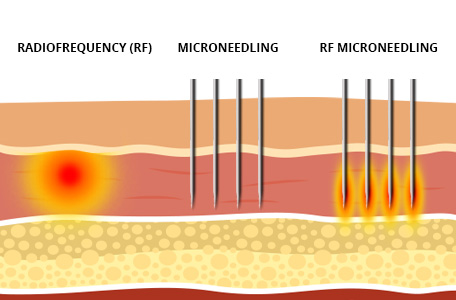
Both conventional microneedling and RF microneedling create controlled micro-injuries within the skin.
The difference lies in the addition of radiofrequency energy.
Traditional microneedling relies primarily on the mechanical action of the needles to initiate the wound-healing response.
RF microneedling delivers additional controlled heat into the dermis, allowing collagen stimulation to occur at selected depths beneath the skin.
For concerns involving deeper acne scars, enlarged pores, skin texture or mild laxity, RF microneedling may therefore provide an additional collagen-remodelling effect.
The most appropriate treatment depends on the patient’s skin condition and treatment goals.
RF Microneedling vs CO₂ Laser for Acne Scars
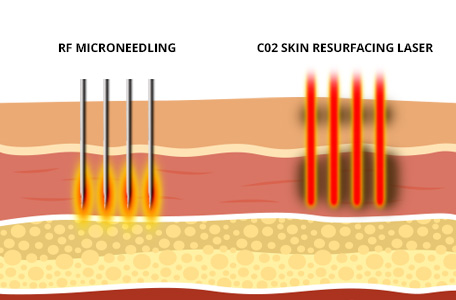
RF microneedling and fractional CO₂ laser can both be used for acne scar treatment, but they work differently.
Fractional CO₂ laser creates microscopic columns of controlled injury from the skin surface downwards, helping to resurface the skin while stimulating collagen.
RF microneedling delivers radiofrequency energy through needles placed into the skin, allowing heat to be delivered directly to selected depths.
Neither treatment is automatically better.
The choice depends on factors such as:
- scar type and depth
- skin type
- degree of resurfacing required
- acceptable downtime
- previous treatments
- pigmentation risk
For some patients, the two treatments may also be used at different stages of an acne scar treatment programme.
Learn more about fractional CO2 laser →
Genius RF Microneedling
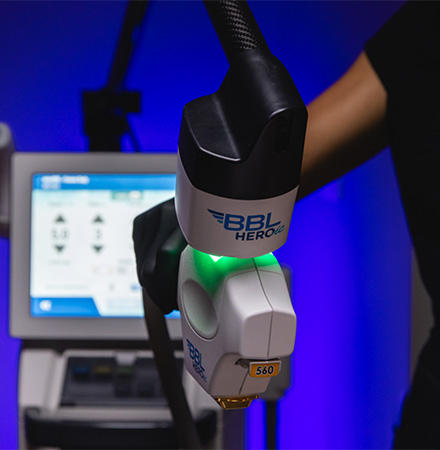
Radium Medical Aesthetics uses Genius RF microneedling for selected patients where deeper, controlled radiofrequency treatment is appropriate.
Genius uses a 49-microneedle array to deliver bipolar radiofrequency energy into the skin at adjustable treatment depths. This allows the doctor to customise needle depth, energy and treatment duration according to the area being treated and the underlying concern.
One of the distinguishing features of Genius is its real-time feedback system. The device monitors tissue response during energy delivery, helping the doctor deliver treatment more consistently across areas where skin thickness and resistance may vary.
For acne scarring, Genius may be used to stimulate collagen remodelling within depressed scars and improve surrounding skin texture. However, it is not intended to treat every acne scar in the same way.
Deeper ice-pick scars, tethered rolling scars or mixed-pattern acne scarring may require combination treatment with procedures such as TCA CROSS, subcision or fractional CO₂ laser.
Genius RF microneedling may also be considered for concerns such as enlarged pores, uneven texture, fine lines and mild loss of skin firmness.
Learn more about GENIUS RF microneedling →
Genius RF Microneedling: Key Features
Some notable key features of this treatment:
49-microneedle treatment tip
adjustable treatment depths for different areas and concerns
radiofrequency energy delivered directly into the treated tissue
real-time feedback during energy delivery
treatment parameters can be customised according to skin condition
may be incorporated into combination acne scar treatment programmes
Is RF Microneedling Suitable for Asian Skin?
RF microneedling delivers energy beneath the surface of the skin rather than relying on treatment of surface pigment.
For this reason, it may be considered for a range of skin tones.
However, darker skin types can still develop post-inflammatory pigmentation after any procedure that causes inflammation.
Treatment settings, skin preparation and post-treatment care should therefore be customised carefully.
A medical assessment is recommended before treatment.
RF Microneedling for the Face and Neck
RF microneedling can be performed on different areas depending on the treatment indication.
Common treatment areas include:
- cheeks
- temples
- forehead
- lower face
- jawline
- neck
Areas with acne scars may require different treatment depths from areas being treated primarily for pores, texture or mild laxity.
This is why a uniform treatment setting across the entire face may not always be appropriate.
How Much Does RF Microneedling Cost in Singapore?
The cost of RF microneedling in Singapore varies according to factors such as the treatment area, technology used, number of sessions and whether the treatment forms part of a combination acne scar programme.
At Radium Medical Aesthetics, treatment recommendations are made after consultation and assessment rather than based solely on a standard number of sessions.
Where acne scarring involves several scar types, your doctor may also recommend combining RF microneedling with other procedures rather than repeatedly treating all scars with the same device.
Frequently Asked Questions About RF Microneedling
RF microneedling may help improve selected depressed acne scars by stimulating collagen remodelling within the dermis.
However, different acne scar types respond differently. Deep ice-pick scars or tethered rolling scars may require additional treatments such as TCA CROSS or subcision.
Acne scar treatment aims to improve the appearance and depth of scars rather than completely erase them.
Collagen remodelling can produce lasting structural improvement, although results vary according to scar type, scar severity and individual healing response.
RF microneedling may improve the appearance of enlarged pores by stimulating collagen around the pore structure and improving overall skin texture.
Neither treatment is universally better.
RF microneedling and laser resurfacing affect the skin differently, and the appropriate treatment depends on scar type, skin type, desired downtime and treatment goals.
Some acne scar treatment plans may include both.
RF microneedling can stimulate collagen and may improve mild skin laxity and firmness.
Patients with more significant sagging may require treatments designed to target deeper structural layers of the face.
Collagen produced following treatment can provide lasting improvement, but the skin continues to age naturally.
Maintenance treatment may be considered depending on the indication and individual ageing process.
Treatment intervals vary according to treatment intensity, skin recovery and the indication being treated.
Sessions are generally spaced sufficiently apart to allow healing and collagen remodelling before the next treatment.
Your doctor will recommend an appropriate treatment schedule.
Yes.
Combination treatment is frequently considered for patients with multiple acne scar types.
RF microneedling may be combined or sequenced with procedures such as subcision, TCA CROSS or fractional laser treatment depending on the scars present.
Benefits
-
 Stimulates collagen and elastin production
 -
Improves acne scars and uneven skin texture
-
Refines the appearance of enlarged pores
-
Softens fine lines
-
Improves skin firmness and elasticity
-
Customisable treatment depths for different concerns
Best For
RF microneedling is best suited for patients looking to improve acne scars, enlarged pores, uneven skin texture, fine lines and mild skin laxity through collagen remodelling with minimal surface disruption.