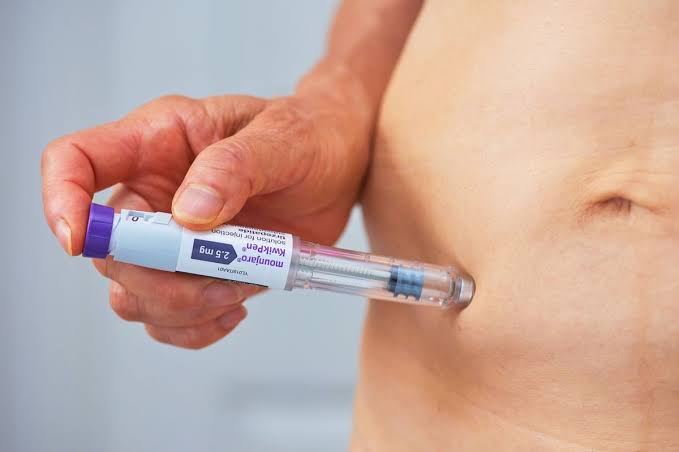
Mounjaro and Heart Health: FDA Approves Tirzepatide to Reduce Cardiovascular Risk in Adults With Type 2 Diabetes
Mounjaro has become widely known for its effects on blood sugar control and body weight.
But a new development in the United States highlights something potentially even more important about the medication: its role in cardiovascular health.
On 28 August 2026, the U.S. Food and Drug Administration (FDA) approved Mounjaro (tirzepatide) to reduce the risk of major cardiovascular events in adults with type 2 diabetes who are at high cardiovascular risk.
These major cardiovascular events include:
- Cardiovascular death
- Non-fatal heart attack
- Non-fatal stroke
The expanded indication marks another important development in our understanding of medications such as tirzepatide.
Rather than looking at obesity, diabetes and heart disease as completely separate conditions, modern medicine is increasingly recognising them as closely interconnected aspects of cardiometabolic health.
What Is Mounjaro?
Mounjaro is the brand name for tirzepatide, a once-weekly injectable medication developed by Eli Lilly.
Tirzepatide acts on two naturally occurring hormone pathways: GIP -glucose-dependent insulinotropic polypeptide and GLP-1 -glucagon-like peptide-1.
These hormones are involved in several metabolic processes, including appetite regulation, insulin secretion and blood glucose control. This dual action differentiates tirzepatide from medications that act on GLP-1 alone.
Mounjaro was initially developed and approved for the treatment of type 2 diabetes. It has subsequently attracted considerable attention because many patients taking tirzepatide also experience significant reductions in body weight.
But the latest FDA approval shifts part of the conversation from how much weight a patient loses to something more fundamental:
CAN IMPROVING METABOLIC HEALTH ALSO REDUCE THE RISK OF SERIOUS DISEASE?
For selected patients with type 2 diabetes and cardiovascular risk, the evidence now supports an important cardiovascular benefit.
WHY ARE DIABETES AND HEART DISEASE SO CLOSELY CONNECTED?
People often think about high blood sugar, excess weight, high cholesterol and high blood pressure as independent health problems.
In reality, they frequently occur together.
Type 2 diabetes is associated with an increased risk of cardiovascular disease, including heart attack and stroke.
Other factors commonly seen alongside diabetes and obesity can further contribute to cardiovascular risk, including:
- High blood pressure
- Abnormal cholesterol levels
- Visceral fat accumulation
- Insulin resistance
- Chronic inflammation
- Fatty liver disease
- Physical inactivity
- Obstructive sleep apnoea
This relationship is why physicians increasingly use the term cardiometabolic health.
Rather than treating weight, glucose and cardiovascular risk in isolation, the objective is to understand how these factors interact over the course of a person’s life.
What Did the Cardiovascular Study on Mounjaro Show?
The new FDA indication was supported by the large SURPASS-CVOT cardiovascular outcomes trial.
The study involved more than 13,000 adults with type 2 diabetes and established atherosclerotic cardiovascular disease. Participants received either tirzepatide or dulaglutide, another diabetes medication that already has evidence of cardiovascular benefit. The main outcome researchers assessed was the occurrence of cardiovascular death, heart attack or stroke.
Over the course of the study, a major cardiovascular event occurred in 12.2% of patients receiving tirzepatide compared with 13.1% of patients receiving dulaglutide.
The study demonstrated that tirzepatide was non-inferior to dulaglutide for major cardiovascular events.
In other words, it preserved the cardiovascular protection associated with an established GLP-1 treatment while also producing substantial improvements in other metabolic measures such as glucose control and body weight.
The results contributed to the FDA’s decision to expand Mounjaro’s indication to include reduction of major cardiovascular risk in appropriate adults with type 2 diabetes.
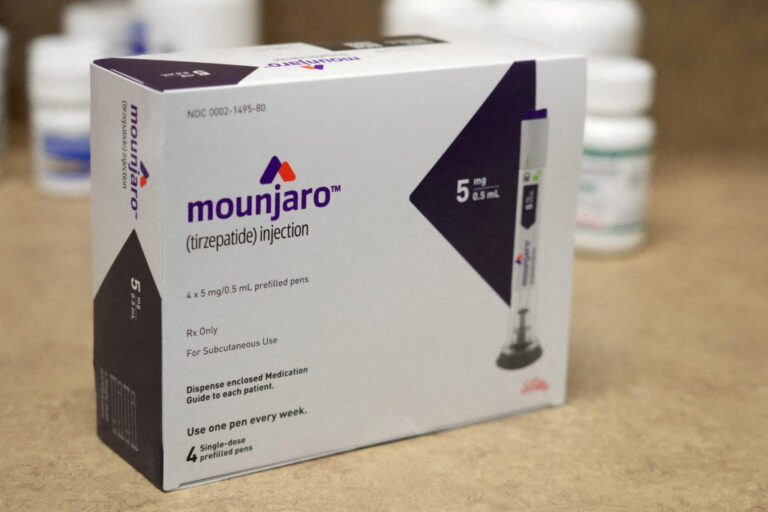
Does This Mean Mounjaro Is Now a Heart Disease Medication?
This requires some clarification.
The FDA has not approved Mounjaro as a general treatment for every form of heart disease. The new U.S. indication is specifically for reducing the risk of major adverse cardiovascular events in adults with type 2 diabetes who are at high cardiovascular risk.
That distinction is important. Someone should not start Mounjaro simply because they are concerned about their heart. Cardiovascular prevention can involve multiple measures, including:
- Blood pressure control
- Cholesterol management
- Diabetes management
- Smoking cessation
- Exercise
- Nutrition
- Weight management
- Appropriate cardiovascular medications
Tirzepatide may form one part of this strategy for appropriately selected patients.
Why Weight Loss Is About More Than Appearance
One reason this development is particularly interesting is that it changes the way we should think about medical weight management. There is still a tendency to view weight loss primarily through an aesthetic lens: How many kilograms did I lose How quickly did I lose them? What does the number on the scale say?
But clinically, excess body fat – particularly visceral fat – is associated with much broader health consequences.
Obesity is linked with conditions including:
- Type 2 diabetes
- Hypertension
- Abnormal cholesterol
- Cardiovascular disease
- Obstructive sleep apnoea
- Fatty liver disease
- Osteoarthritis and increased mechanical stress
- Certain cancers
This does not mean that every person who is overweight will develop these conditions.
Nor does it mean that body weight alone tells us whether someone is healthy.
But for patients with obesity and associated metabolic risk, medically appropriate weight loss can have benefits that extend far beyond appearance.

The Rise of Cardiometabolic Medicine
The arrival of GLP-1 and GIP/GLP-1 medications has changed the treatment landscape considerably.
Traditionally, doctors might manage diabetes with one treatment, weight with another strategy, blood pressure separately, and cardiovascular disease with yet another set of medications.
Increasingly, we understand that these conditions share underlying biological pathways. Insulin resistance, visceral adiposity, inflammation, lipid abnormalities and vascular disease frequently overlap.
This is giving rise to a more integrated approach to health: cardiometabolic medicine. The objective is not simply to make someone lighter. It is to help improve the metabolic environment in which chronic diseases develop.
Does Losing Weight Automatically Protect the Heart?
Not necessarily. Weight loss is one marker of metabolic improvement, but cardiovascular health is more complicated than body weight alone.
Two people with the same BMI can have very different:
- Blood pressure
- Cholesterol levels
- Blood glucose
- Visceral-fat distribution
- Fitness levels
- Family history
- Cardiovascular risk
This is why responsible medical weight management should involve more than repeatedly measuring kilograms.
Depending on the individual, doctors may also assess measures such as:
- Blood glucose and HbA1c
- Blood pressure
- Lipid profile
- Waist circumference
- Liver health
- Kidney function
- Personal and family medical history
The goal should ultimately be better health, not simply a smaller number on the scale.

What About People Without Diabetes?
The new FDA indication specifically concerns Mounjaro in adults with type 2 diabetes and elevated cardiovascular risk.
It should therefore not be interpreted to mean that Mounjaro has now been proven to prevent heart attacks in everyone who takes it for weight management.
Tirzepatide is also used for obesity management under approved indications in various countries, but cardiovascular indications depend on the specific product, patient population and local regulatory approval.
Medical treatment should always be selected according to the individual’s condition and risk profile.

Is Mounjaro Approved in Singapore?
Mounjaro is registered in Singapore. The Health Sciences Authority has approved tirzepatide for the treatment of adults with insufficiently controlled type 2 diabetes, alongside diet and exercise.
HSA has also approved Mounjaro for weight management in adults who meet specified BMI and weight-related health criteria. However, the latest cardiovascular-risk indication discussed in this article was announced by the U.S. FDA on 28 August 2026.
Regulatory approvals differ between countries, and patients in Singapore should speak with a doctor about the currently approved local indications and whether tirzepatide is appropriate for them.
Who May Be Suitable for Medical Weight Management?
Medication is not necessary – or appropriate – for everyone who wants to lose weight.
Before prescribing medication such as tirzepatide, a doctor should consider factors including:
- Current BMI
- Waist circumference
- Existing medical conditions
- Diabetes or prediabetes
- Blood pressure
- Cholesterol
- Previous weight-management attempts
- Current medications
- Family and personal medical history
- Potential contraindications
- Individual treatment goals
The objective should be to determine whether there is a genuine medical indication for treatment.

Mounjaro Is Not a Shortcut to Health
The effectiveness of modern metabolic medications can sometimes create the impression that lifestyle no longer matters.
It does. Medication can assist appetite regulation and metabolic control, but long-term health still depends on factors including adequate nutrition, physical activity, muscle preservation, sleep and sustainable behavioural change.
This becomes particularly important during significant weight loss.
If a person simply eats dramatically less without adequate nutrition and resistance exercise, they may lose not only fat but also lean muscle mass.
Preserving muscle becomes increasingly important as we age because muscle contributes to:
- Physical strength
- Glucose metabolism
- Mobility
- Bone health
- Functional independence
- Overall metabolic health
The healthiest approach is therefore not simply maximum weight loss. It is improving body composition and metabolic health while maintaining the structures the body needs for long-term health.
What Are the Side Effects of Mounjaro?
Like all prescription medications, tirzepatide can cause side effects. Common side effects are predominantly gastrointestinal and may include:
- Nausea
- Diarrhoea
- Reduced appetite
- Vomiting
- Constipation
- Abdominal discomfort
There are also important medical warnings and contraindications that need to be considered before treatment. For this reason, Mounjaro should be prescribed and monitored by an appropriately qualified healthcare professional rather than approached as a casual weight-loss product.
A Bigger Shift: From Weight Loss to Healthspan
Perhaps the most important message from the latest Mounjaro development is not about one particular medication. It reflects a broader shift in medicine.
We are moving away from treating obesity simply as a cosmetic concern and towards understanding excessive or dysfunctional body fat as one potential contributor to chronic metabolic disease.
We are also moving away from asking only: “How long can we live?” towards: “How many of those years can we live in good health?”
This is the idea of healthspan.
Preventing diabetes, cardiovascular disease and loss of physical function before they become advanced may ultimately have a much greater impact on healthy ageing than treating these conditions only after they appear.
Our Approach at Radium
At Radium, we believe medical weight management should be approached as part of a broader conversation about metabolic health, body composition and healthy ageing. For appropriate patients, medications such as tirzepatide can be valuable tools.
But the injection itself should never be the entire programme.
A thoughtful approach also considers:
- Why the patient is gaining weight
- Existing metabolic risk factors
- Nutrition
- Physical activity
- Muscle preservation
- Sleep
- Long-term weight maintenance
- Cardiovascular health
- Sustainable lifestyle changes
The goal is not simply to help someone become lighter. It is to help them become metabolically healthier. The FDA’s expanded cardiovascular indication for Mounjaro is another reminder that medical weight management is evolving rapidly – and that its potential significance extends well beyond what we see on the weighing scale.