

OUR DOCTORS
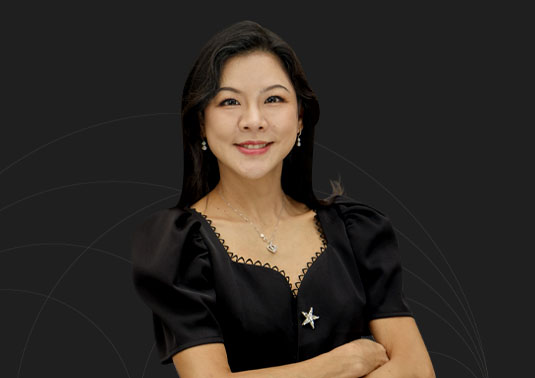
Dr Phoon Yi Shan
Medical Director
Every patient is different. Good aesthetic treatment starts with listening - understanding what concerns them, what they hope to achieve, and choosing treatments that are appropriate for them.
Dr Phoon Yi Shan is a Medical Director at Radium Medical Aesthetics in Singapore, with more than a decade of experience practising full-time aesthetic medicine.
Her clinical interests include:
- hair loss and scalp restoration
- FUE hair transplantation
- pigmentation and melasma
- skin rejuvenation and skin quality
- facial contouring
- injectable treatments
- lasers and energy-based treatments
Dr Phoon believes aesthetic treatment should never follow a one-size-fits-all approach. Understanding the patient’s concerns, anatomy, lifestyle, treatment history and expectations is an important part of developing a treatment plan that is appropriate for the individual.
Medical Training & Background
Dr Phoon graduated from the National University of Singapore in 2003 with a Bachelor of Medicine and Bachelor of Surgery.
She began her medical career with training in microsurgery and surgery before moving into aesthetic medicine.
She became a Member of the Royal College of Surgeons of Edinburgh in 2007 and was awarded a Master of Medicine in Orthopaedic Surgery in 2008.
Her surgical background has contributed to her understanding of:
- anatomy
- precision
- tissue handling
- procedural planning
- clinical decision-making
These principles continue to influence her approach to aesthetic procedures, particularly hair restoration, injectable treatments and facial contouring.
Hair Loss and Scalp Restoration
Hair loss can occur for many different reasons.
Changes may involve:
- progressive thinning
- widening of the parting
- receding hairline
- reduced density
- increased shedding
- changes in scalp condition
Because these concerns can have different underlying causes, Dr Phoon believes effective treatment begins with understanding the pattern and progression of hair loss.
Her assessment may consider:
- distribution of hair loss
- rate of progression
- scalp health
- hair density
- hair calibre
- family history
- previous treatments
- medical history
- lifestyle factors
The aim is to identify an appropriate treatment strategy rather than applying the same solution to every patient.
Explore hair loss treatments in Singapore →
Non-Surgical Hair Restoration
Depending on the cause and stage of hair loss, non-surgical treatment may be considered.
Treatment planning may focus on:
- supporting scalp health
- improving the environment for existing hair
- addressing suitable causes of thinning
- slowing further progression where possible
- improving overall hair density
The appropriate option depends on the individual’s condition and expected response.
Not every form of hair loss responds to aesthetic treatment, and further medical assessment may sometimes be required.
FUE Hair Transplantation
For selected patients with established hair loss, Follicular Unit Extraction (FUE) may be considered.
FUE involves harvesting individual follicular units from suitable donor areas and transplanting them into areas of hair loss.
Planning involves more than simply filling an empty area.
Dr Phoon considers factors such as:
- donor hair availability
- hair density
- hairline design
- direction of natural hair growth
- degree of existing hair loss
- potential future progression
The objective is to achieve a result that remains proportionate and natural-looking.
Learn about FUE hair transplantation →
Hairline Design and Natural Results
A natural-looking hair transplant depends heavily on hairline planning.
An excessively low, straight or dense hairline may not age naturally over time.
Dr Phoon therefore considers:
- facial proportions
- forehead height
- age
- existing hair pattern
- donor capacity
- likely future hair loss
when planning transplantation.
The goal is not simply to maximise the number of grafts, but to create a hairline and density pattern that is appropriate for the individual.
Pigmentation and Melasma
Pigmentation is not a single-condition problem.
Different forms of pigmentation may include:
- freckles
- sun-related pigmentation
- post-inflammatory hyperpigmentation
- melasma
- uneven skin tone
These conditions may arise from different causes and respond differently to treatment.
Dr Phoon’s approach begins with assessing the likely type and depth of pigmentation, along with factors such as:
- skin type
- previous treatments
- sun exposure
- skin sensitivity
- recurrence pattern
Depending on the condition, treatment may involve:
- lasers
- light-based technologies
- energy-based treatments
- skincare
- a combination approach
Learn more about pigmentation treatment in Singapore →
Why Pigmentation Can Return
Some pigmentation conditions, especially melasma, are prone to recurrence.
Treatment can improve visible pigmentation, but it may not permanently remove the tendency for pigment to develop.
Long-term management may therefore include:
- sun protection
- maintenance treatment
- appropriate skincare
- reducing aggravating factors where possible
Dr Phoon focuses on setting realistic expectations and helping patients understand why pigmentation may behave differently over time.
Skin Rejuvenation & Skin Quality
Healthy-looking skin is influenced by more than the absence of pigmentation or wrinkles. Hydration, texture, elasticity, pores, collagen and the skin’s ability to recover all contribute to overall skin quality.
Dr Phoon’s approach to skin rejuvenation considers these factors together rather than treating each concern in isolation.
Depending on the patient’s skin and goals, a treatment plan may incorporate injectable skin treatments, collagen-stimulating treatments, lasers or energy-based technologies to support healthier-looking skin over time.
Learn more about skin booster treatments in Singapore →
Facial Contouring & Injectable Treatments
Facial ageing occurs across multiple layers.
Changes may involve:
- skin quality
- facial volume
- fat compartments
- supporting tissues
- underlying facial structure
When considering injectable treatments, Dr Phoon assesses the face as a whole.
Her assessment may include:
- facial proportions
- profile balance
- chin projection
- cheek support
- jawline definition
- volume loss
- asymmetry
Her approach favours balance and natural-looking refinement rather than adding unnecessary volume.
Learn more about dermal fillers in Singapore →
Laser and Energy-Based Treatments
Dr Phoon also has an interest in laser and energy-based aesthetic treatments.
These technologies may be used for different concerns depending on the device, wavelength or type of energy.
Applications may include:
- pigmentation
- skin rejuvenation
- hair removal
- skin tightening
- selected contouring concerns
Treatment choice depends on the diagnosis, skin type and treatment goal rather than using one device for every condition.
Research & Medical Publications
Dr Phoon has contributed to published research in aesthetic medicine alongside fellow doctors at Radium Medical Aesthetics.
Her research involvement includes clinical work examining techniques and patient experience in injectable aesthetic procedures.
BB8 Technique: An Innovative Approach for Delivering Diluted Belotero Balance to Treat Infraorbital Hollows
Cureus, 2026 – Siew TW, Phoon YS, Yow LPS
Lidocaine Injection Provides Superior Pain Relief Compared to 10-Minute BLT Topical Numbing in Women Undergoing Cannula-Based Aesthetic Procedures
Aesthetic Surgery Journal Open Forum, 2026
Areas of Clinical Interest
-
 Hair & Scalp Restoration
 -
Pigmentation
-
Skin Rejuvenation
-
Facial Aesthetics
-
Lasers & Energy-Based Treatments
Frequently asked questions About Dr Phoon Yi Shan
Dr Phoon’s clinical interests include hair and scalp restoration, pigmentation, skin rejuvenation, facial contouring and injectable treatments. Treatment recommendations are made following consultation and assessment of the individual’s concerns and suitability.
Hair and scalp restoration is one of Dr Phoon’s clinical interests. Assessment may consider the pattern and progression of hair loss, scalp condition, hair density and relevant medical or treatment history before appropriate options are discussed.
It can also be helpful to choose a doctor whose aesthetic philosophy and approach to results are aligned with your own expectations.
Dr Phoon has experience in hair restoration, including hair transplantation. Whether a hair transplant is appropriate depends on factors such as the cause and pattern of hair loss, donor hair availability and the individual’s treatment goals.
Yes. Pigmentation is one of Dr Phoon’s clinical interests. Because conditions such as melasma and other forms of pigmentation may have different causes and behaviours, treatment is selected following an assessment of the pigmentation, skin type and other contributing factors.
Yes. Dr Phoon performs injectable aesthetic treatments including dermal fillers. Her approach considers facial anatomy, proportions and overall facial balance when determining whether treatment is appropriate.
When choosing an aesthetic doctor, patients may wish to consider the doctor’s medical qualifications, experience with the treatment being considered, approach to consultation and treatment planning, and how clearly the potential benefits, limitations and risks are explained.