Men’s Receding Hairline: Causes, Hair Loss Prevention, and Hair Growth Treatments That May Help
Receding hairline in men is one of the most common early signs of hair loss. For some men, it begins gradually with subtle thinning at the temples. For others, it progresses more noticeably over time, changing the shape of the hairline and affecting overall hair density.
While it can be frustrating, a receding hairline is not something you simply have to accept without exploring your options. With the right understanding of male pattern baldness, hair loss prevention, scalp care for men, and suitable hair growth treatments, it may be possible to slow progression and improve the appearance of thinning hair.
Receding hairline in men
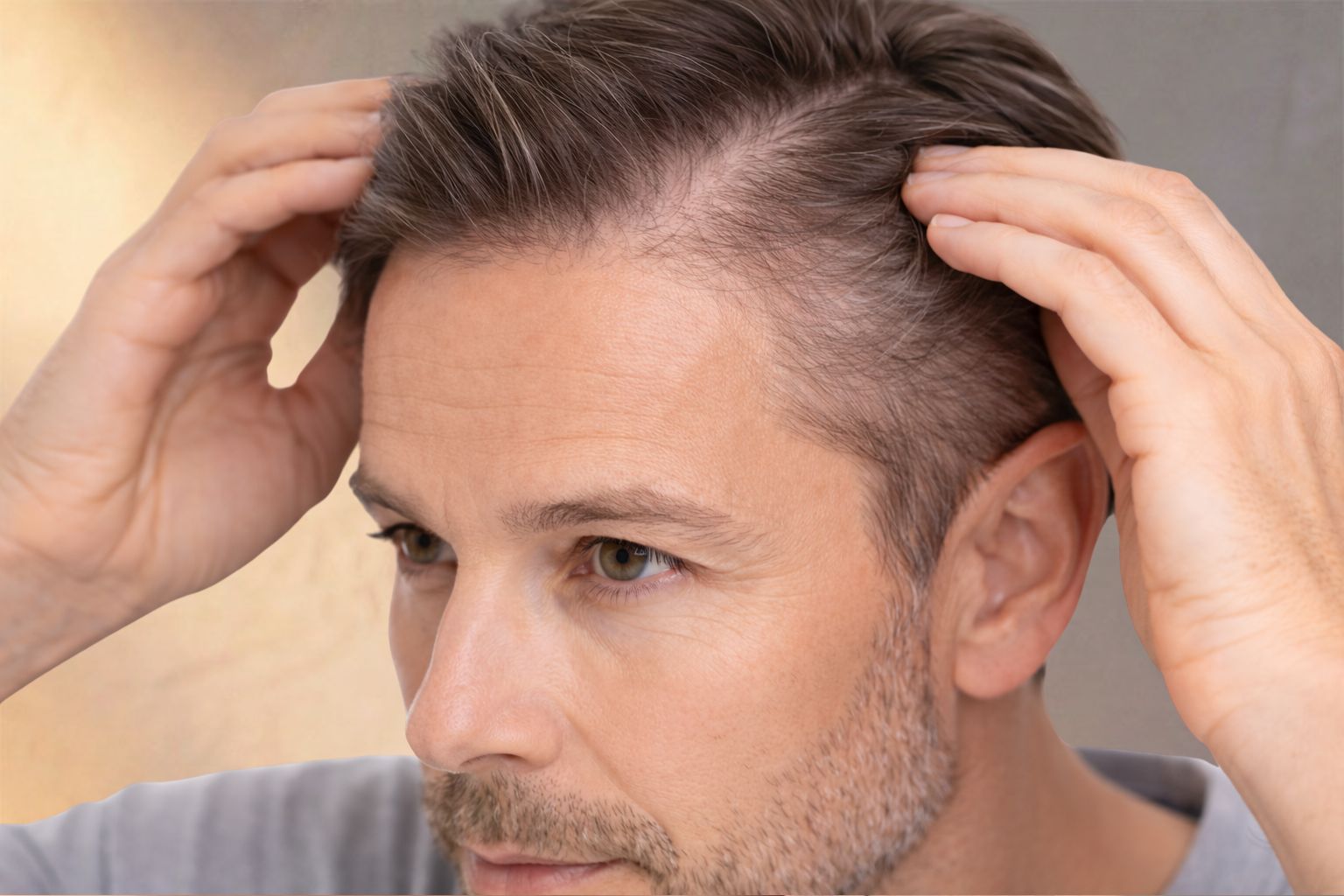
A receding hairline usually refers to gradual hair loss at the front and sides of the scalp, especially around the temples. It is often associated with male pattern baldness, also known as androgenetic alopecia, which is the most common cause of hair thinning in men.
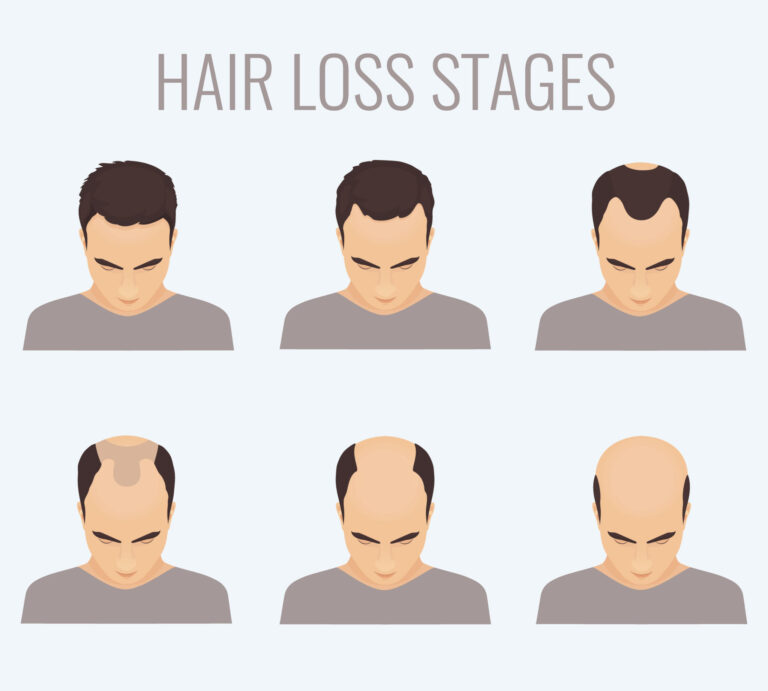
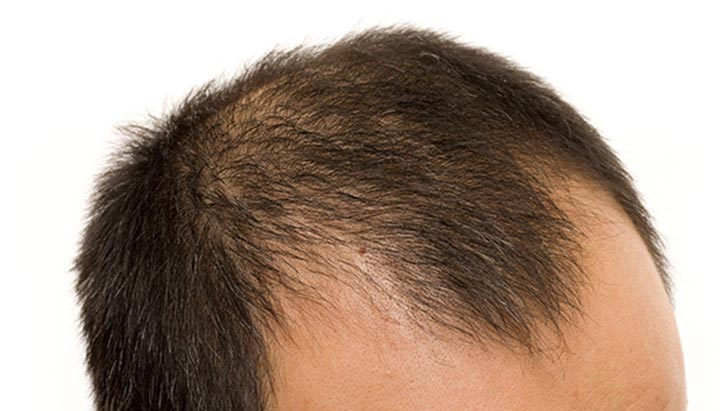
Male pattern baldness tends to follow a recognisable pattern. It may begin with a mature hairline that slowly shifts higher, then progress into more visible temple recession, crown thinning, or more widespread hair loss. The speed and extent can vary from person to person, depending on genetics, age, hormones, and other contributing factors.
What causes male pattern baldness?
The main cause of male pattern baldness is a combination of genetics and hormone sensitivity. Hair follicles in certain areas of the scalp become more sensitive to dihydrotestosterone, or DHT, a hormone linked to progressive follicle shrinkage.
Over time, this causes hairs to become finer, shorter, and weaker. Eventually, some follicles may stop producing visible hair altogether. This is why early attention makes a big difference. When hair follicles are still active, treatment may be more effective than waiting until thinning becomes advanced.
Other factors may also worsen hair loss or make it appear more noticeable, including stress, poor scalp health, inflammation, nutritional issues, and harsh hair or grooming habits.
Why scalp care for men matters
When discussing a men’s receding hairline, many people focus only on the hair itself. But scalp care for men is also important. The scalp is the environment where hair follicles grow, and poor scalp health may affect the quality of hair over time.
A healthy scalp should be clean, balanced, and free from excessive oil buildup, irritation, or inflammation. If the scalp is frequently itchy, greasy, flaky, or congested, it may not support optimal hair growth.
Simple scalp care practices may include:
- regular cleansing with a suitable shampoo
- managing dandruff or scalp irritation early
- avoiding overly aggressive scratching or harsh products
- keeping the scalp comfortable and balanced
- seeking medical advice if there is persistent inflammation or sudden shedding
Good scalp care for men may not reverse genetic balding on its own, but it can support healthier conditions for hair and complement broader hair loss prevention efforts.
Hair loss prevention: why early action matters
When it comes to hair loss prevention, timing matters. Many men only seek help once the hairline has receded significantly, but earlier assessment may higher chances of further hair fall or even reversal.
Hair loss prevention is usually about slowing progression, preserving existing hair, and supporting healthier follicles before too much miniaturisation has occurred. The earlier a receding hairline is addressed, the better the chance of maintaining density and improving overall hair appearance.
This is especially relevant for men who notice:
- increased temple recession
- more hair shedding during washing or styling
- gradual thinning at the front or crown
- a family history of male pattern baldness
- finer, weaker hairs replacing thicker strands
Receding hairline solutions to consider
There is no single answer that works for every man. The best receding hairline solutions depend on the cause, the stage of hair loss, and the condition of the scalp and follicles.
MEDICAL ASSESSMENT A proper consultation is often the first step. Not all hair loss is purely genetic. A doctor can help determine whether the issue is male pattern baldness or whether other factors are contributing to thinning.
HAIR GROWTH TREATMENTS Hair growth treatments may help stimulate follicles, improve scalp health, and support thicker-looking hair. Depending on the individual case, treatment plans may include topical, oral, regenerative, or device-based approaches. The goal is not always to fully restore a youthful hairline, but often to improve density, slow ongoing loss, and support stronger hair growth where follicles are still viable.
SUPPORTIVE SCALP-BASED THERAPIES Some men may benefit from treatments focused on scalp stimulation and follicle support. These approaches may be recommended as part of a broader plan, especially when the aim is to improve the scalp environment and encourage healthier growth.
LIFESTYLE AND MAINTENANCE Stress management, balanced nutrition, and consistent scalp care can also support treatment outcomes. While these may not replace medical therapy for male pattern baldness, they remain useful as part of long-term hair loss prevention.
Thinning hair remedies: what to expect realistically
Many people hope for a quick fix and think that there are miracle drugs for thinning hair. The truth is that hair loss usually requires consistency, patience, and realistic expectations.
Most genuine treatments take time. Hair grows slowly, and improvement often happens gradually over several months. Some men notice reduced shedding first, followed by better hair quality or increased fullness over time.
It is also important to understand that not all thinning hair remedies are equally effective. Shampoos, oils, and supplements may support general hair and scalp health, but they may not be enough on their own for medical issues such as male pattern baldness.
This is why a personalised treatment plan is often more helpful than relying on a single product.
Are hair growth treatments worth considering?
For many men, yes. If a receding hairline is affecting confidence or appears to be progressing, professional hair growth treatments may be worth exploring. The most suitable approach depends on how advanced the hair loss is, whether the follicles are still active, and what your goals are.
Some men want to focus on hair loss prevention and preserving what they have. Others are more concerned with improving density at the temples or addressing more visible thinning. In either case, early treatment tends to offer more possibilities than waiting too long.
In-clinic treatments may be considered when home care alone is not enough. These treatments are generally aimed at supporting scalp health, stimulating hair follicles, and improving the environment for healthier hair growth. The most suitable option depends on the cause and extent of hair loss, as well as whether the goal is to slow shedding, improve hair quality, or restore density in areas where hair has already become sparse.
In-clinic hair loss treatment options
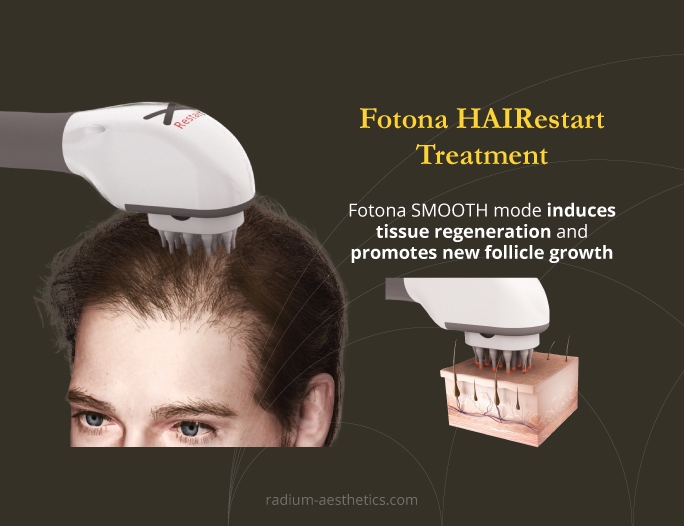
One option is Fotona hair laser treatment. This laser-based approach is designed to deliver controlled energy to the scalp, with the goal of improving circulation and stimulating the hair follicles in a gentle, non-surgical way. By encouraging activity within the scalp and supporting the hair growth cycle, it may be useful for patients with early thinning or diffuse hair loss. It is often positioned as a treatment that supports stronger, healthier-looking hair over time, although results are usually gradual and typically require a series of sessions.
Another approach is PDRN-based scalp treatment, which is often used for its regenerative and skin-repair properties. When applied to the scalp, PDRN may help support the scalp environment and encourage healthier follicle function. This can be especially relevant in cases where the scalp appears stressed, inflamed, or less supportive of healthy hair growth. PDRN is not a hair transplant and does not create instant density, but it may be considered as part of a broader hair restoration plan focused on scalp rejuvenation and follicle support.
Dermapen microneedling is also commonly used as part of hair growth treatment plans. This treatment creates controlled micro-injuries in the scalp, which may help stimulate the skin’s natural repair response and support collagen activity around the follicles. Microneedling may also enhance the delivery of selected topical hair growth solutions applied during treatment. In suitable patients, it can be used to support thicker-looking hair and improve scalp condition over time. As with most hair treatments, several sessions are usually needed, and results tend to build gradually rather than immediately.
For patients with more advanced hair loss, FUE hair transplant may be an option. Follicular Unit Extraction, or FUE, is a surgical method that involves harvesting individual hair follicles from donor areas, usually at the back or sides of the scalp, and transplanting them into areas affected by thinning or baldness. Because it uses the patient’s own hair, the aim is to create a natural-looking result that grows in the new area over time. FUE is often considered for patients with a receding hairline, more defined areas of baldness, or hair loss that has progressed beyond what non-surgical treatments alone are likely to improve.
In many cases, the best outcomes come from a personalised treatment plan rather than relying on a single method alone. Some patients may benefit from combining scalp-supportive treatments such as laser therapy, PDRN, or microneedling, while others may be better suited for hair transplantation after proper medical assessment. A consultation is important to determine the cause of hair loss and whether the follicles are still viable, as this helps guide the most appropriate treatment strategy.
From hair loss prevention strategies to more advanced hair growth treatments, there are options that may help support healthier, fuller-looking hair. The key is to seek advice early, stay realistic, and choose an approach based on your specific scalp and hair condition.