Retinoids for Hyperpigmentation: How They Help Fade Dark Spots and Improve Skin Tone
Hyperpigmentation is one of the most common skin concerns people face, whether it appears as acne marks, sun spots, post-inflammatory discoloration, or uneven patches of skin tone. Topicals are often among the most widely recommended option for hyperpigmentation. And one popular ingredients in skincare and dermatology is the retinoid.
Retinoids have long been known for their role in anti-ageing and acne care, but they are also highly relevant when it comes to pigmentation concerns. Topicals do not work overnight, but when used correctly, they can help support a clearer, smoother, and more even-looking complexion over time.
What is hyperpigmentation?
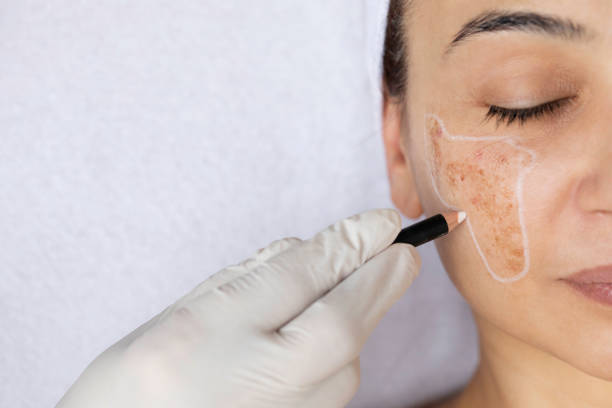
Hyperpigmentation refers to areas of skin that appear darker than the surrounding skin due to excess melanin production or uneven melanin distribution. It can develop for many reasons, and understanding the cause is important because not all pigmentation behaves the same way.
Some of the most common types include:
- Post-inflammatory hyperpigmentation (PIH): dark marks left behind after acne, eczema, irritation, or injury
- Sun spots or age spots: pigmentation triggered by years of UV exposure
- Melasma: patchy pigmentation often linked to hormones, sun exposure, and heat
- Uneven skin tone after inflammation or sensitivity
Pigmentation can be stubborn because it often has multiple triggers. In some people, the skin becomes more prone to discoloration after even minor inflammation. In others, sun exposure continues to deepen existing spots. This is why a good hyperpigmentation treatment plan usually involves not just one product, but a combination of consistent skincare, sun protection, and in some cases, professional guidance.
What are retinoids?
Retinoids are vitamin A derivatives used in skincare to improve skin renewal and regulate how skin cells behave. They come in different forms, including prescription retinoids such as tretinoin and adapalene, as well as cosmetic forms like retinol and retinal.
Although these ingredients vary in strength, they are grouped together because they all work through similar pathways in the skin. In simple terms, retinoids encourage the skin to renew itself more efficiently.
That is why they are commonly used for:
- acne and clogged pores
- fine lines and wrinkles
- uneven texture
- dullness
- pigmentation concerns
When it comes to discoloration, the retinoid benefits go beyond surface exfoliation. Retinoids help improve the turnover of skin cells, which can support the gradual fading of visible dark marks and help the skin look more even over time.
How do retinoids help with hyperpigmentation?
Retinoids can be helpful for pigmentation in several ways.
THEY SUPPORT FASTER SKIN CELL TURNOVER One of the main reasons retinoids are used as a dark spot solution is that they help the skin renew itself more efficiently. When pigmented skin cells are shed more regularly, discoloration on the surface can gradually become less noticeable.
THEY HELP IMPROVE OVERALL SKIN CLARITY Retinoids are not only used for dark spots. They also help refine texture, unclog pores, and improve the look of dull skin. This can make the complexion appear clearer and more even overall.
THEY MAY REDUCE RISK OF FUTURE POST-ACNE MARKS For people who struggle with acne and the pigmentation that follows, retinoids can be especially valuable. By helping manage breakouts, they may reduce the number of new marks that form after inflammation.
THEY WORK WELL WITH OTHER PIGMENT-CORRECTING INGREDIENTS Retinoids are often not the only ingredient in a pigmentation routine. They may be used alongside ingredients like azelaic acid, niacinamide, tranexamic acid, vitamin C, or hydroquinone, depending on the person’s needs. In this sense, retinoids can be part of a broader hyperpigmentation treatment plan rather than a one-step fix.
Which types of pigmentation can retinoids help?
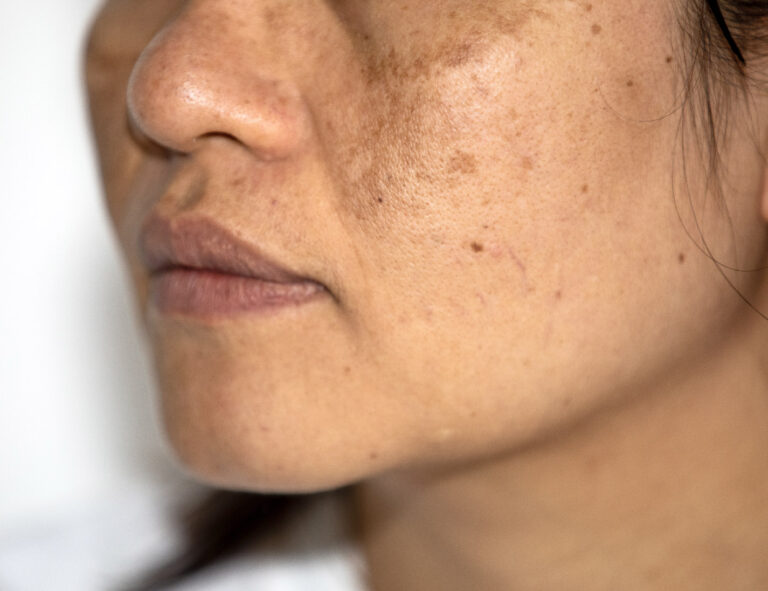
Retinoids may be useful to treat several types of pigmentation, although results vary depending on the cause and depth of the pigment.
PODT-INFAMMATORY HYPERPIGMENTATION This is one of the most common indications. Dark spots left behind after acne or irritation often respond well to retinoids over time, especially when combined with sunscreen and other supportive ingredients.
SUN-RELATED PIGMENTATION Retinoids may help improve the appearance of mild sun spots and uneven skin tone associated with photodamage, particularly when used consistently.
MELASMA Melasma is more complex and tends to be chronic or recurrent. Retinoids may still be helpful, but they are usually part of a larger treatment strategy rather than the only answer.
GENERAL UNEVEN TONE AND DULLNESS For those whose skin looks patchy, congested, or not as clear as before, retinoids may help improve overall radiance and evenness.
Key retinoid benefits for pigmentation-prone skin
If you are considering retinoids, it helps to understand that their appeal is not just about fading spots. Some of the most important retinoid benefits include:
- helping dark marks fade more gradually over time
- improving skin renewal and texture
- supporting clearer pores and reducing breakouts
- enhancing the look of dull, tired skin
- complementing other ingredients used for pigmentation
- promoting a smoother, more refined-looking complexion
How long do retinoids take to work on dark spots?
This is one of the most important questions because expectations often determine whether someone sticks with a routine.
Retinoids are not an instant fix. Dark spots usually take time to fade, and visible improvement often happens gradually over several weeks to months. Some people notice smoother texture earlier, but pigmentation tends to require patience.
The exact timeline depends on factors such as:
- the type of pigmentation
- how deep the pigment is
- whether sun exposure continues to worsen it
- how consistently the retinoid is used
- whether other supporting products are used
- the strength of the retinoid
If pigmentation has been present for a long time, results may take longer. If the skin is constantly being irritated or exposed to the sun without protection, progress may be slower.
Why sunscreen matters when using retinoids
No discussion of hyperpigmentation treatment is complete without sunscreen. You can use the best pigment-fading ingredients in your routine, but if you are not protecting your skin from UV exposure, it becomes much harder to maintain results.
This matters even more when using retinoids, because the skin may become more sensitive during the adjustment period. Daily sunscreen helps reduce the worsening of existing pigmentation and lowers the chance of new discoloration developing.
If you are serious about finding a lasting dark spot solution, sunscreen is not optional. It is one of the most important parts of the plan.
How to start a retinoid for hyperpigmentation
A common mistake is starting too aggressively. Because retinoids can be irritating, it is usually better to begin slowly and let the skin adjust.
Here are some general tips:
- start with a gentle retinoid or lower strength
- use a pea-sized amount for the whole face
- apply it at night on dry skin
- begin two to three times a week, then increase gradually if tolerated
- use a moisturizer to reduce dryness and support the skin barrier
- wear sunscreen every day
This gradual approach is especially important for those with sensitive skin or darker skin tones, where irritation itself may trigger more pigmentation.
Can retinoids make pigmentation worse at first?
In some cases, yes – indirectly.
Retinoids can cause dryness, peeling, redness, and irritation, especially during the first few weeks. If the skin becomes too inflamed, that irritation may worsen pigmentation in people who are prone to post-inflammatory darkening.
That is why the best results often come from a balanced approach rather than the strongest product used as often as possible. More is not always better. When it comes to retinoid benefits, consistency and tolerability matter more than pushing the skin too hard.
What should you pair with a retinoid?

A good retinoid routine for pigmentation usually includes:
A GENTLE CLEANSER This helps keep the skin comfortable without over-stripping it.
A MOISTURISER This is important for supporting the barrier and improving tolerance.
SUNSCREEN Essential for preventing pigmentation from worsening.
OPTIONAL BRIGHTENING INGREDIENTS Depending on the skin concern, some people may also use niacinamide, azelaic acid, vitamin C, or tranexamic acid. These can complement retinoids, but layering too many actives too quickly may irritate the skin.
When retinoids may not be enough
Retinoids can be a valuable part of a hyperpigmentation treatment plan, but they are not always enough on their own.
There are situations where pigmentation may require more than home care, such as:
- persistent melasma
- deep or long-standing pigmentation
- pigmentation mixed with acne scarring
- dark spots that are worsening or recurring
- skin that cannot tolerate stronger actives
In these cases, an in-clinic assessment may help determine whether additional treatments or a more structured regimen would be more suitable.
While retinoids can play an important role in a pigmentation routine, some cases may benefit from a more comprehensive in-clinic approach. Treatments such as PicoSure, Sylfirm X, and Dermapen microneedling may be recommended to help improve the appearance of uneven pigmentation, depending on the underlying cause and the skin’s needs. In selected patients, regenerative-support treatments such as exosomes and Plinest may also be incorporated to support overall skin quality and recovery. As pigmentation can be complex and often multifactorial, the most effective approach is usually a personalised one – combining suitable skincare with carefully selected in-clinic treatments for clearer, healthier-looking skin over time.
If you are looking for a scientifically grounded dark spot solution, retinoids remain one of the most respected ingredients in skincare and dermatology. They help support skin renewal, improve texture, and gradually fade certain forms of pigmentation over time. Among the many retinoid benefits, their ability to address both acne and post-acne marks makes them especially useful for those dealing with recurring breakouts and uneven tone.
That said, retinoids are not a quick fix. They work best as part of a thoughtful, consistent routine built around sun protection, skin barrier support, and realistic expectations. For some, they may be enough to make a visible difference. For others, they may be one part of a broader hyperpigmentation treatment plan.
Used correctly, retinoids can be a valuable long-term tool for clearer, smoother, and more even-looking skin.