Men’s Receding Hairline: What Causes It and What Can You Do About It?
Some key statistics in recent years have shown that approximately 85% of men by age 50 are likely to suffer from receding hairlines or some form of male pattern baldness, or androgenetic alopecia.
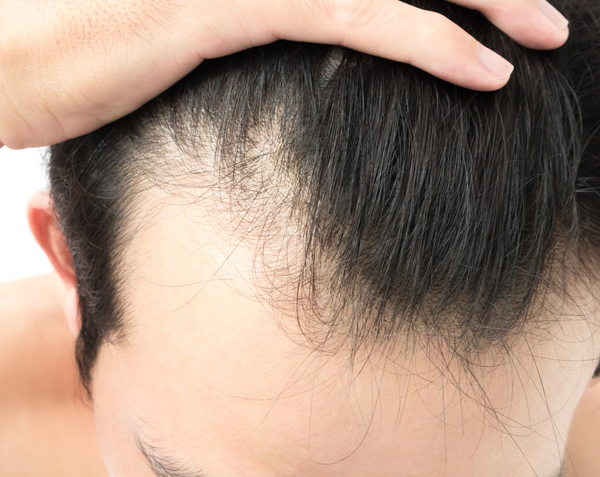
Hair loss in men often start subtly – typically the temples look a little more sparse, and the forehead tend to become higher. Gradually, the hairline becomes so high that it becomes hard to ignore. A receding hairline is perhaps the most common early signs of hair loss.
The good news is that hair loss can be addressed if intervention happens early. Understanding the different options and acknowledging the condition are the first step. Once you are aware of your hair loss condition, it becomes earlier to explore hair loss treatment options to prevent further hair fall or even achieve hairline improvement.
In this article, we explore why hair loss occurs, how it relates to male pattern baldness, and which receding hairline solutions may help.
Receding Hairline in Men – Is it Common?
A receding hairline in men usually starts from both sides of the temple while the middle remains intact. Over time, the increased thinning on both sides move backwards, creating a visible M-shaped pattern.
The visible M-shaped pattern can happen gradually over many years to as quickly as several months, depending on several factors such as stress, ageing, or hormonal changes. While it is normal to lose hair due to ageing, a receding hairline that continues to worsen over time is likely linked to male pattern baldness.
Is a Receding Hairline Always Male Pattern Baldness?
Not always – but very often, yes.
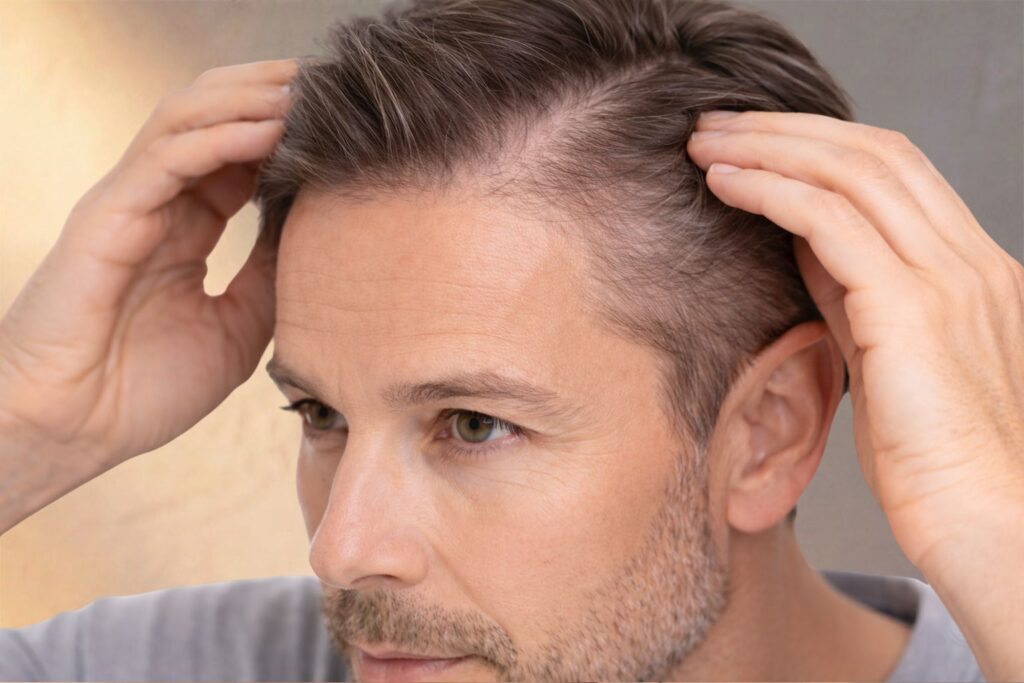
Male pattern baldness is primarily caused by genetics and the hormone dihydrotestosterone, or DHT. DHT is the hormone that causes follicular miniaturisation in men. As the follicles become smaller, the hairs they produce become finer, shorter, and weaker. Eventually, these follicles may stop producing hair altogether.
Now, you may wonder what DHT is, and why it is produced? DHT is produced naturally when an enzyme called 5-alpha-reductase, binds to testosterone, transforming it into DHT. While it occurs throughout the body, DHT is largely produced in the skin, hair follicles, and prostate gland.
When DHT binds to androgen receptors, they cause follicles to shrink and shortening the hair growth cycle.
Why Does the Hairline Recede First?
Many men first notice:
- thinning around the temples
- reduced density at the front
- more scalp visibility under bright light
- a hairline that appears less defined than before
The front and temple areas of the scalp are often more sensitive to hormonal changes linked to genetic hair loss. This is why the hairline is usually one of the earliest places where thinning becomes visible.
Unlike sudden hair shedding caused by illness or stress, this type of hair loss is usually more patterned and progressive. Male pattern baldness is not usually accompanied by large clumps of hair falling out. Instead, the hair simply starts to look weaker, finer, and less dense.
This is why early intervention is important. If hair follicles have shrunk, it will be difficult to achieve noticeable hairline improvement.
Can a Receding Hairline Grow Back?
This depends on the stage of hair loss.
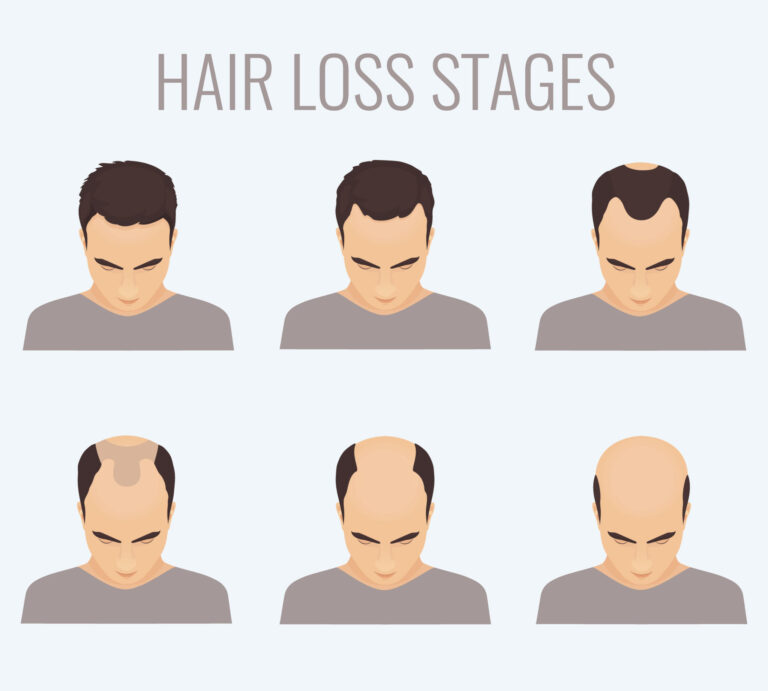
If the follicles are still active, there may be potential to improve density and support regrowth with the right hair growth treatments. If the area has been inactive for a long time and the follicles are no longer functioning well, regrowth may be more limited.
That is why timing is crucial. Many men delay treatment because they assume hair loss is purely cosmetic or inevitable. But the earlier you address it, the more options you may have and the higher chance of hair regrowth.
Common Receding Hairline Treatment Options
The best treatment option depends largely on the cause, the severity, and how early the intervention is.
PROFESSIONAL ASSESSMENT
The first step for an effective hair loss treatment is to understand whether the issue is truly male pattern baldness, temporary shedding due to stress or changes in external environmental factors, or other scalp conditions. A proper assessment by your doctor can determine whether the follicles are still active and which areas are most affected.
HAIR GROWTH TREATMENT OPTIONS
There are various hair growth treatments available today that aim to support the scalp, improve follicle function, and encourage healthier hair growth. From topicals to oral medication, and in-clinic treatments, there is a variety of options to choose from.
The aim is to strengthen weakened follicles, reduce ongoing miniaturisation, or improve the scalp environment for better hair support.
HAIR LOSS PREVENTION LONG-TERM PLAN
Good hair loss prevention is not only about treating hair loss after it happens. It is also about retarding the progression of hair loss. This may include early treatment, consistent scalp care, and addressing the root causes of the hair loss. Avoid the mistake of waiting until the hair loss becomes much more obvious before you take any action.
Do Thinning Hair Remedies Really Help?
Many men start with over-the-counter products or home-based thinning hair remedies. These may include scalp serums, shampoos, nutritional support, or massage tools. While these can sometimes help improve scalp comfort or blood circulation in the scalp, they may not be enough on their own if the underlying cause is genetic hair loss.
That does not mean they are useless. In some cases, supportive care can complement more targeted hair growth treatments offered by medical clinics. If you are already noticing a clear pattern of recession at the temples or front, professional guidance is often more useful than over-the-counter supplements or home remedies.
What Helps with Hairline Improvement?
When people talk about hairline improvement, they are usually hoping for one of three things:
- slowing further recession
- improving thickness at the front
- restoring a fuller, more defined hairline
The right strategy depends on how advanced the recession is. Most people should see better, more visible results from early intervention. Others may need a more aggressive treatment plan if the hairline has already changed significantly.
What matters most is having realistic expectations. Hairline improvement is often gradual, not instant. The aim is usually to improve the condition of existing follicles and support better growth over time.

In-clinic Hair Loss Treatment Options
Microneedling such as DermaPen is one of the first lines of treatment options available in most aesthetic clinics in Singapore. It is a device that creates tiny punctures in the scalp, causing controlled injuries that promote healing and hair follicle growth. In some cases, clinics may go one step further by applying hair growth serums to stimulate follicular regeneration and growth.
Low-level laser therapy, or LLLT is an FDA-approved device that are commonly used to encourage blood circulation and healing in the scalp to boost hair follicle cell metabolism and circulation.
For more advanced hair loss patients, FUE hair transplant can be considered. It is a surgical procedure that involves harvesting individual hair follicles from a donor area, usually the back of the head, and transplants them to thinning areas such as the temples.
Acting Early to Improve Hair Regrowth Chances
One of the biggest mistakes men make is waiting too long.
A receding hairline often begins quietly, and because it happens gradually, it is easy to delay doing anything about it. Once follicles become significantly weakened, most treatments may be less effective than it would have been at an earlier stage.
Early action does not necessarily mean doing everything at once. It simply means paying attention, getting an assessment, and understanding your options before the hair loss progresses further.
Lifestyle Factors That Can Worsen Hair Loss
Although male pattern baldness is usually driven by genetics and hormones, other factors may make hair loss appear worse or progress more quickly.
These may include:
- chronic stress
- poor sleep
- smoking
- nutritional deficiencies
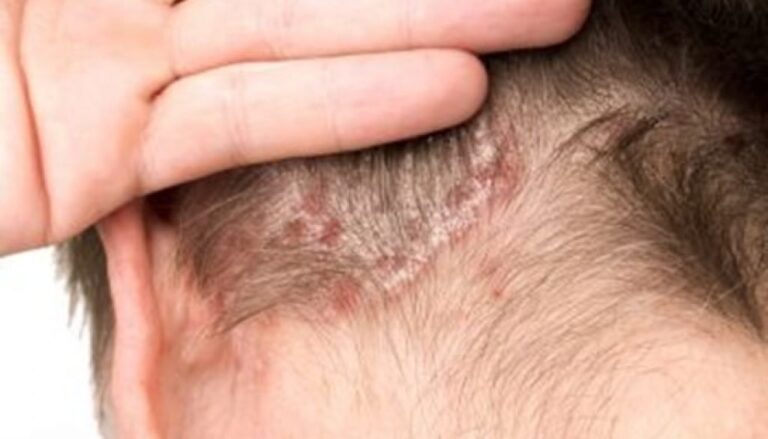
- scalp inflammation
- harsh hair practices
This is why some men notice their hairline worsening during stressful periods or after prolonged fatigue. In some cases, hair growth can be seen once the stressful period is over. While lifestyle changes alone may not fully reverse a receding hairline, they can still support overall scalp and hair health.
Are Hair Growth Treatments Worth Considering?
If you are bothered by a receding hairline, the answer is yes.
Modern hair growth treatments are no longer only for advanced hair loss. Many men seek treatment when the signs are still mild, precisely because they want to preserve what they have and improve their chances of maintaining a stronger hairline.
The best candidates are often those who:
- have started noticing temple recession
- see increased scalp show at the front
- have a family history of male pattern baldness
- want to address hair loss before it becomes more obvious
When Should You Seek Help?
It may be worth seeking advice if:
- your hairline has noticeably changed over the past year
- your temples are becoming more sparse
- the front of your hair looks weaker or flatter
- you are concerned about early male pattern baldness
- you want guidance on receding hairline solutions before the loss progresses further
Compare your hairline now with photos of yourself taken about 2-3 years ago. Look at the hairline to see if there are any visible changes over time. If you see visible changes, perhaps it is time to seek a consultation with an experienced hair loss doctor.
Hair loss can feel personal, but it is also treatable in many cases. With the right guidance, men can take a more informed and confident approach to managing their hairline over time.