Understanding Acne, Causes, and Treatment Options in Singapore
Acne is one of the most common skin conditions affecting teenagers and adults.
It can appear as blackheads, whiteheads, inflamed pimples, pustules, nodules or cysts, and may be influenced by several factors including excess oil production, clogged pores, inflammation, hormones, skincare habits, stress and genetics.
Because acne does not have a single cause, effective treatment usually begins with understanding what type of acne is present, what may be triggering it and how active or severe it is.
At Radium Medical Aesthetics, acne treatment is planned according to the patient’s skin condition, acne pattern, previous treatments and treatment goals rather than applying the same approach to every patient.
What Causes Acne?
Acne develops when hair follicles and sebaceous glands become blocked or inflamed.
Several factors may contribute. Excess sebum can make the skin more prone to clogged pores. Dead skin cells may accumulate within follicles, creating blackheads or whiteheads. Inflammation can then lead to red pimples, pustules, nodules or cysts.
Hormonal changes may also increase oil production, which is why acne can worsen during puberty, menstruation, pregnancy or periods of hormonal fluctuation.
Other factors such as certain skincare products, friction, stress, lifestyle and genetics may also influence how acne behaves. In many patients, several of these factors occur at the same time.
Types of Acne
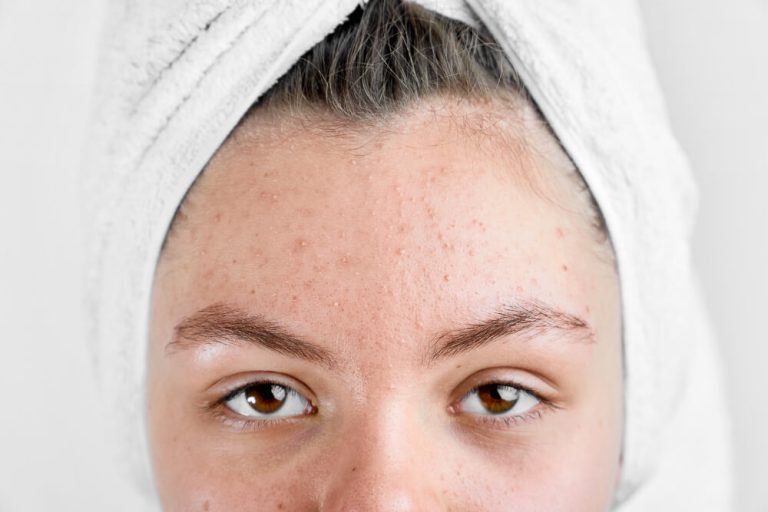
COMEDONAL ACNE Comedonal acne mainly appears as blackheads and whiteheads. These develop when pores become blocked by oil and dead skin cells. Treatment often focuses on improving pore turnover, reducing congestion and preventing new blockages from forming.
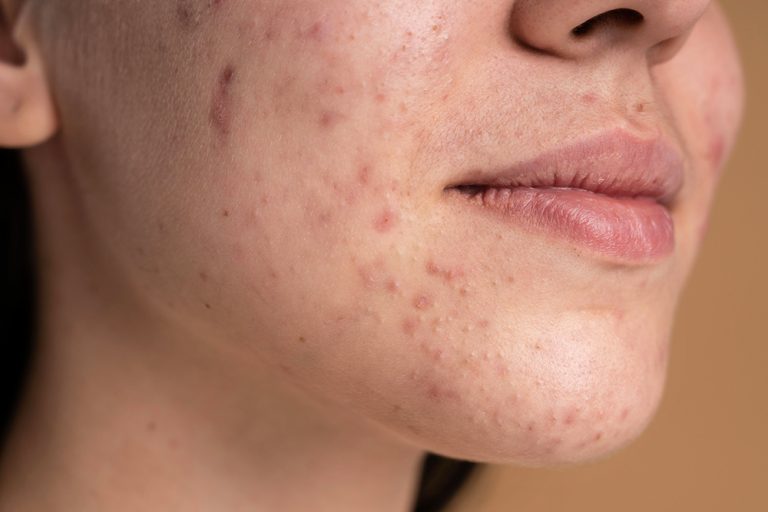
INFLAMMATORY ACNE Inflammatory acne includes red pimples and pustules. These lesions occur when clogged pores become inflamed. Treatment may need to address both pore blockage and inflammation.
NODULAR AND CYSTIC ACNE Nodular or cystic acne develops deeper within the skin and can be painful. These forms of acne have a higher risk of leaving permanent scars and should generally be assessed early. Patients with severe or widespread acne may require medical treatment beyond aesthetic procedures alone.
HORMONAL ACNE Hormonal acne commonly affects the lower face, jawline or chin, although patterns can vary. It may flare around menstruation or during periods of hormonal change. Because hormones may continue to influence oil production, hormonal acne often requires an ongoing management strategy rather than a one-time treatment.
Teenage Acne vs Adult Acne
Teenage acne often develops during puberty when hormonal changes stimulate oil production.
Adult acne can persist from adolescence or appear for the first time later in life. Adult acne may be influenced by hormones, stress, lifestyle, skincare, medication or other factors. Women may notice recurring breakouts around the jawline or chin, particularly around the menstrual cycle. The treatment approach may therefore differ depending on age, acne pattern and underlying triggers.
Oily Skin and Acne
Oily skin does not automatically mean that someone will develop acne, but increased sebum production can contribute to clogged pores in susceptible individuals.
At the same time, excessively stripping oily skin can damage the skin barrier and cause irritation. This is why acne-prone skin does not necessarily benefit from aggressive cleansing or drying products. A balanced treatment plan should aim to control oil and congestion while maintaining skin-barrier health.
Acne and the Skin Barrier
The skin barrier plays an important role in maintaining hydration and protecting the skin from irritation.
When the barrier is disrupted, the skin may become dry, sensitive, inflamed or reactive. Some patients with acne repeatedly exfoliate, use multiple active ingredients or over-cleanse in an attempt to reduce oil. This may worsen irritation and make acne management more difficult. In selected patients, improving barrier health needs to happen alongside treatment for active acne.
How Is Acne Assessed Before Treatment?
Before recommending treatment, the doctor may consider the type of acne, severity, distribution, skin sensitivity, oil production, previous treatment and whether scarring or pigmentation is already developing.
It is also important to distinguish active acne from post-acne marks and true acne scars. These are different concerns and may require different treatments.
For example, a patient may have relatively few active breakouts but significant post-inflammatory pigmentation. Another may have ongoing inflammatory acne with early scarring. The treatment plan should reflect the main problem rather than treating everything in the same way.
Evaluating Acne Treatment Options in Singapore
There is no single treatment that is suitable for every patient with acne. Management may involve skincare, topical or oral medication, chemical peels, light-based treatments or selected energy-based procedures depending on the acne type and severity. For some patients, treatment is relatively straightforward. Others may need a combination approach over several months.
MEDICAL SKINCARE AND TOPICAL TREATMENT Skincare often forms an important part of acne management. Depending on the patient’s condition, treatment may involve ingredients that help reduce clogged pores, regulate skin turnover, control inflammation or manage bacteria associated with acne. These may include topical retinoids, benzoyl peroxide, azelaic acid, salicylic acid or other acne-directed treatments where appropriate. The exact regimen should be selected according to skin sensitivity and acne severity. Using too many active ingredients at the same time can lead to irritation and barrier disruption.
ORAL MEDICATION Patients with more persistent, inflammatory or severe acne may sometimes require oral medication. Depending on the clinical situation, this may include antibiotics, hormonal treatment or other prescription medication. Not every patient requires oral treatment. Medical history, acne severity, previous response and potential side effects should be considered before medication is prescribed.
CHEMICAL PEELS FOR ACNE Chemical peels may help selected patients with oily, congested or acne-prone skin. Acids such as salicylic or glycolic acid may be used to improve skin turnover, reduce congestion and support treatment of mild acne. The type and strength of peel should be selected according to the patient’s skin condition. Peels are generally used as part of an overall acne-management plan rather than as a cure on their own.
Learn more about chemical peel treatment →
RENEW ACNE PEEL For selected patients with oily skin, clogged pores and mild-to-moderate acne, an acne-focused peel may be considered. The aim is to reduce congestion, improve skin turnover and support clearer skin over time. This should remain a supporting treatment page rather than the main acne page.
Learn more about Renew Acne Peel →
AGNES RF TREATMENT FOR RECURRING ACNE For selected patients with recurring acne, AGNES may be considered. This treatment uses fine needles to deliver radiofrequency energy to targeted skin structures, including selected sebaceous glands associated with recurrent breakouts. The treatment is not appropriate for every type of acne. It may be more suitable for patients with specific recurring lesions or acne patterns after medical assessment.
Learn more about AGNES acne treatment →
CARBON LASER PEEL FOR OILY AND CONGESTED SKIN Carbon Laser Peel may be used for selected patients with oily skin, enlarged pores or congestion. The treatment combines a carbon-based topical layer with laser energy and may support oil control and skin clarity. It should be viewed as a supportive treatment rather than a primary treatment for severe or cystic acne.
Learn more about Carbon Laser Peel →
BBL AND LIGHT-BASED TREATMENT FOR ACNE Selected light-based treatments may be used as part of an acne-management plan. Depending on the technology and settings used, treatment may target factors associated with inflammation or redness. However, active acne has multiple causes, so light-based treatment should not be considered a universal solution.
Learn more about BBL treatment →

What About Acne Marks?
After active acne settles, some patients are left with flat red or brown marks. Brown marks are commonly caused by post-inflammatory hyperpigmentation, while red marks may reflect residual vascular changes. These are not the same as true acne scars. Pigmentation and redness may gradually improve over time, although selected treatments may help speed improvement.
Learn more about pigmentation treatment in Singapore →
Acne Marks vs Acne Scars
Acne marks are flat areas of discoloration. Acne scars involve permanent structural changes in the skin. Scars may appear as ice-pick scars, rolling scars, boxcar scars or raised scars.
Treatments used for active acne are generally different from those used for established scarring. For this reason, acne should ideally be brought under reasonable control before aggressive scar treatment begins.
Learn more about acne scar treatment in Singapore →

Why Treat Active Acne Before Acne Scars?
Continuing breakouts can create new inflammation and potentially lead to additional scars. Treating established scars while acne remains highly active may therefore result in an ongoing cycle where new scars continue to form. The initial priority is usually to reduce active breakouts and inflammation. Once acne is better controlled, residual pigmentation and scarring can be assessed separately.
Can Acne Be Cured Permanently?
Acne can often be controlled effectively, but whether it disappears permanently depends on the underlying cause.
Some patients experience acne mainly during adolescence and improve with age. Others continue to have recurrent acne because of hormonal, genetic or other factors.
Treatment therefore aims to reduce active breakouts, prevent new lesions, minimise inflammation and reduce the risk of scarring. Maintenance treatment may be needed in some patients.

Acne Treatment at Radium Medical Aesthetics
At Radium Medical Aesthetics, acne treatment begins with assessing the type and severity of acne rather than choosing a procedure first.
The doctor considers factors such as oil production, inflammation, skin sensitivity, hormonal patterns, previous treatment and whether pigmentation or scarring has already developed. Depending on the individual, treatment may involve skincare, medication, chemical peels, light-based treatments or selected energy-based procedures. The aim is to reduce active acne while maintaining skin health and reducing the risk of future pigmentation and scarring.
Learn more about Dr Lina Yow →

Frequently Asked Questions About Acne Treatment
There is no single treatment that is appropriate for every patient.
The best approach depends on the type of acne, severity, skin sensitivity, previous treatment and underlying contributing factors.
Yes.
Adult acne can often be managed with a combination of skincare, medication and selected procedures depending on the underlying pattern.
Yes.
Hormonal acne may require a longer-term strategy because hormonal influences can continue to trigger breakouts.
Treatment should be tailored according to the patient’s medical history and acne pattern.
No.
Oil production is one contributing factor, but acne is also influenced by clogged pores, inflammation, hormones, genetics and other factors.
Some mild cases may improve with skincare or procedures.
More persistent or inflammatory acne may require prescription treatment.
The appropriate approach depends on severity.
Selected BBL or light-based settings may form part of an acne-treatment plan.
They should not be considered a replacement for medical acne management where this is required.
In some cases mild scar-related concerns may be addressed alongside acne management, but active acne is usually prioritised first.
Once breakouts are better controlled, established scars can be assessed more accurately.
It can.
Recurrence depends on underlying factors such as hormones, genetics, oil production and skincare.
Some patients require maintenance treatment.
Medical assessment is particularly useful when acne is:
persistent, painful, cystic, leaving scars, worsening despite skincare or significantly affecting quality of life.
Early treatment may help reduce inflammation and lower the risk of permanent scarring.
Stress does not directly cause every case of acne, but it may contribute to flare-ups in some individuals.
Stress-related hormonal changes and changes in sleep, skincare or lifestyle may influence inflammation and oil production.
Managing stress may support overall skin health but should not replace treatment where acne is persistent or severe.