

Getting A Dermal Filler Treatment in Singapore? Read This.

Your Reading Corner

Dermal Fillers In Singapore

Looking for a minimally-invasive way to achieve a youthful look? Dermal fillers in Singapore might be the answer you’re seeking. These injectable fillers have gained popularity in recent years thanks to their ability to restore facial volume, smooth wrinkles, and add contours without surgery.

But, as with any cosmetic procedure, it’s crucial to understand the potential risks and complications and how to manage them.

Types Of Dermal Fillers In Singapore

Many dermal fillers are in the market, with hyaluronic acid fillers being the most popular. Hyaluronic acid is naturally abundant in the body and maintains skin hydration and elasticity. Other fillers include poly-L-lactic acid, calcium hydroxylapatite, and FDA-approved fillers.

Which Body Part Can Dermal Filler Treatments Be Used On?

Dermal fillers have gained popularity for their versatility and effectiveness in addressing various aesthetic concerns across different body parts. While face fillers are the most common application, they can also be used in other areas to rejuvenate and enhance their appearance. Here are some popular treatments that use dermal fillers:

Face Fillers for Facial Contouring and Wrinkle Treatment

Lip Augmentation

Dermal fillers can augment the lips, providing additional volume, definition, and symmetry for a more attractive and balanced appearance.

Chin and Jawline Enhancement

Dermal fillers can augment the lips, providing additional volume, definition, and symmetry for a more attractive and balanced appearance.

Hand Rejuvenation

Dermal fillers can also address volume loss, the appearance of veins, tendons, and other signs of ageing on the hands. This results in a more youthful and revitalised look.

Décolletage Rejuvenation

Dermal fillers can be injected into the décolletage area to reduce the appearance of fine lines and wrinkles, improving skin texture and overall appearance.

Earlobe Repair and Rejuvenation

Over time, earlobes can become elongated or stretched due to ageing or wearing heavy earrings. Injectable fillers can restore volume and shape to the earlobes, making them look more youthful and supporting earrings better.

Dermal Filler Procedure

Step 1: Consultation

During the initial consultation, your doctor will assess your facial features, discuss your concerns, and help you determine the best treatment plan, including the type of filler and the amount needed to achieve your desired results. This is also an opportunity to ask any questions and ensure you clearly understand the procedure.

Step 2: Preparing The Treatment Area

Before the procedure, your doctor will thoroughly cleanse the treatment area to minimise the infection risk. They will apply a topical numbing cream to ensure comfort during the injections.

Step 3: Marking The Injection Points

Your doctor will mark the injection points on your skin, ensuring the filler is strategically placed for optimal results. This helps guide the injection process and minimise the risk of complications.

Step 4: Injection Of The Dermal Filler

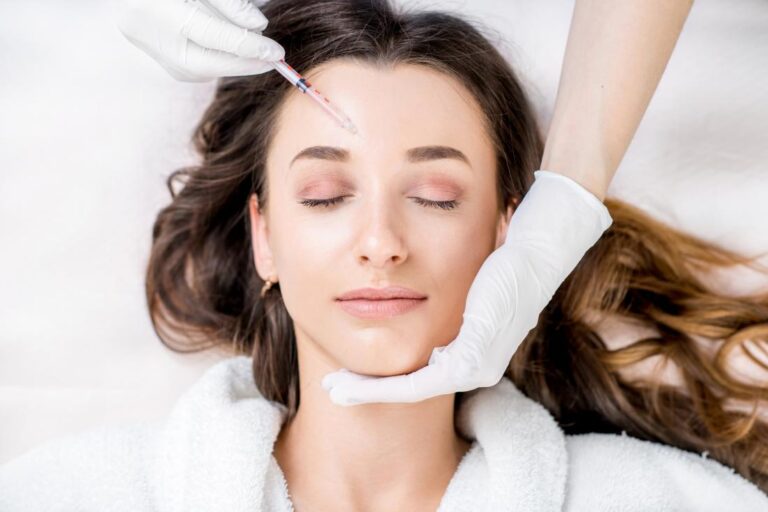
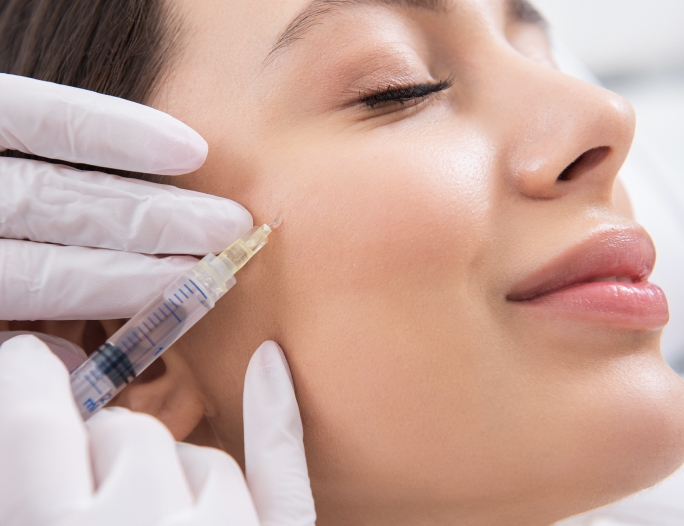
Your doctor will inject the hyaluronic acid filler beneath the skin using a fine needle or cannula at the predetermined points. The filler immediately adds volume to the treatment area and helps smooth out wrinkles, stimulating collagen production for long-lasting effects.

Step 5: Massaging The Treated Area

After the injections, your doctor may gently massage the treated area to ensure the filler is evenly distributed and achieves the desired outcome. This also helps to minimise any lumps or irregularities.

Step 6: Post-Treatment Care

Once the treatment is complete, your doctor will provide aftercare instructions, including avoiding strenuous activities, excessive sun exposure, and alcohol consumption for the first 24 hours. You may experience temporary side effects, such as redness, swelling, or bruising, but these typically go away after a few days.

Step 7: Follow-Up And Maintenance

Depending on the type of filler used, the results can last anywhere from six months to two years or more. Your doctor will schedule a follow-up appointment to assess the outcome and discuss any additional treatments or maintenance needed to maintain your refreshed and rejuvenated appearance.

Dermal Fillers: Risks and Management of Complications

The global demand for injectable is projected to grow by more than double over the next decade. Despite understanding the risks, the demand for dermal fillers continues to grow globally. The truth is that dermal fillers are generally safe. Although complications are very rare, they still present a real risk to people receiving dermal filler treatments. Before you decide to undergo a dermal filler treatment with your doctor, you need to first understand the various complications that may arise from the procedure. Your doctor may or may not paint the complete picture before performing the treatment. Therefore, it is important to fully understand the risks so that you can weigh the benefits versus the risks and decide if you want to proceed. 

Possible complications from dermal fillers

The most minor and common side effects are temporary. These include bruising, swelling and redness at the site of the injection. These usually go away very fast, although they may take a longer time to heal if you are consuming certain blood-thinning medication or suffer from some illnesses that may cause severe bruising or bleeding. Steps can be taken before and after the treatment to ensure that you recover quickly. Many of the complications people suffer from are related to the doctor’s technique. Such technique-related complications include lumpiness and overfilling. Lumpiness occurs when the filler is injected too superficially or when the wrong type of dermal filler is used. In particular, the undereye area is prone to such problems due to the thin skin around the eyes. On the other hand, overfilling is a common issue we often see in some celebrities and socialites where the cheeks become too puffy.

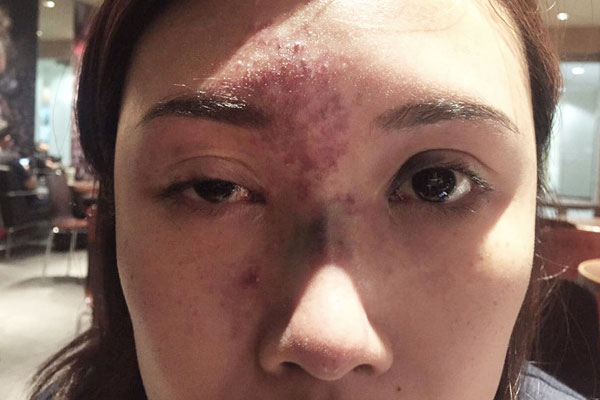
Infection Is a rarer, but more serious complication which can occur if the skin is not properly cleansed during the procedure. Infection can occur soon after or even months later – when a biofilm is slowly formed by the bacteria surrounding the filler. Another less common complication of dermal filler treatment is the formation of lumps which occur much later, known as delayed onset nodules. In this scenario, nodules appear weeks or even months after. The cause of this is a delayed type of hypersensitivity reaction. Incidence of such complication is about 0.02 to 4%, depending on the type of fillers used and the area it was injected. The worst complication that can happen by far, is when the filler inadvertently enters an artery during the injection. The fillers block the blood supply to a certain part of the skin on the face and necrosis or skin death occurs. This is followed by scarring. In another scenario, when the filler enters the artery which supplies the eye, blindness may occur. Blindness is extremely rare and it only happens when fillers are injected into the nose and forehead.

Are these complications reversible?

Most filler complications are temporary or can be treated. Bruising and swelling usually go away on their own within 3 to 5 days. More serious complications, such as skin necrosis or blindness, are rare but can happen.

If lumps happen because too much filler was used, they can often be dissolved with hyaluronidase. However, this only works for hyaluronic acid fillers. It does not work for semi-permanent fillers or collagen-stimulating fillers. That is why it is important to see an experienced doctor, especially if you are considering semi-permanent fillers.

If an infection develops, it can usually be treated with the right antibiotics. If there is an abscess, drainage may also be needed. Delayed nodules may be treated with steroids.

Treatment for filler-related skin necrosis has also improved. In the past, vascular occlusion could lead to months of treatment and possible scarring. Today, if it is recognised early, doctors may be able to reverse the threatened skin damage using a treatment protocol called high-dose pulsed hyaluronidase.

Unfortunately, if blindness occurs, it is often permanent, even when treatment is given quickly and appropriately.

How can we reduce the risks of these filler-related complications?

A well-trained medical professional can help reduce the risks of filler injections by having a strong understanding of facial anatomy and using safe injection techniques. For example, an experienced doctor knows where the important blood vessels are in the face and can inject more carefully to avoid them. A skilled injector also understands the different properties of dermal fillers, which helps reduce the risk of lumps, unevenness, or an unnatural result.

Is it still safe to undergo a dermal filler treatment then?

Every medical procedure carries risks. Your doctor needs to take time to explain all these risks to you. If he or she brushes aside the side effects and tells you that everything will be fine, you need to think twice about undergoing the treatment with him/ her.

Only have filler treatments done by a trained medical professional, and never in a salon or by a beautician. It is important to consider both the benefits and risks before going ahead with the procedure. Fillers should only be used when they are truly needed and after proper medical assessment.

Although there are risks, dermal fillers remain an important part of many anti-ageing treatments. When performed correctly and safely, they can improve facial contours, restore volume, and create a more refreshed appearance. The key is to choose an experienced doctor who knows how to reduce the risk of complications and manage them properly if they happen.

Considering Dermal Filler in Singapore?

With many dermal fillers available, achieving a refreshed and rejuvenated look is now more possible than ever. However, being mindful of the procedure and potential risks and working with a skilled doctor is crucial in ensuring a successful and satisfying outcome.

Ready to try out dermal fillers in Singapore? Schedule a consultation with our experienced doctors at Radium Medical Aesthetics. We offer sound advice and treatment plans suited for each individual’s needs.

Frequently Asked Questions About Dermal Filler Singapore

What Is The Cost Of Dermal Fillers In Singapore?

The cost of dermal fillers in Singapore varies depending on the type of filler, the area being treated, and the amount of filler used. Prices typically range from SGD 600 to SGD 1,500 per syringe.

How Do I Know If I'm A Good Candidate For Dermal Fillers?

You may be a good candidate for dermal fillers if you want to address concerns such as wrinkles, volume loss, or facial contouring without surgery. Consult with our doctor to determine if dermal fillers are suitable for you.

Are Dermal Fillers Permanent?

Dermal fillers are not permanent, with results typically lasting from six months to two years or more, depending on the filler used. Maintenance treatments are often required to maintain the desired results.

How Long Does A Dermal Filler Procedure Take?

A dermal filler procedure generally takes 30 to 60 minutes, depending on the treatment area and the number of injections required.

Can I Go Back To Work After Undergoing Dermal Fillers?

Yes, most patients can return to work and daily activities immediately after undergoing dermal fillers. However, your doctor may advise you to avoid strenuous activities and excessive sun exposure for 24 hours following the procedure.


Related Post

Pigmentation

Retinoids for Hyperpigmentation: How They Help Fade Dark Spots and Improve Skin Tone

Hyperpigmentation is one of the most common skin concerns people face, whether it appears as acne marks, sun spots, post-inflammatory ...

Read More
Acne

Men’s Receding Hairline: Causes, Hair Loss Prevention, and Hair Growth Treatments That May Help

Receding hairline in men is one of the most common early signs of hair loss. For some men, it begins ...

Read More
Acne

Pimples and Spots on the Scalp: How to Treat Them Effectively

Getting pimples on the scalp can be surprisingly common. Some may appear as small itchy bumps on hair follicles, while ...

Read More